Fill a medium-size saucepan with water and bring to a boil.
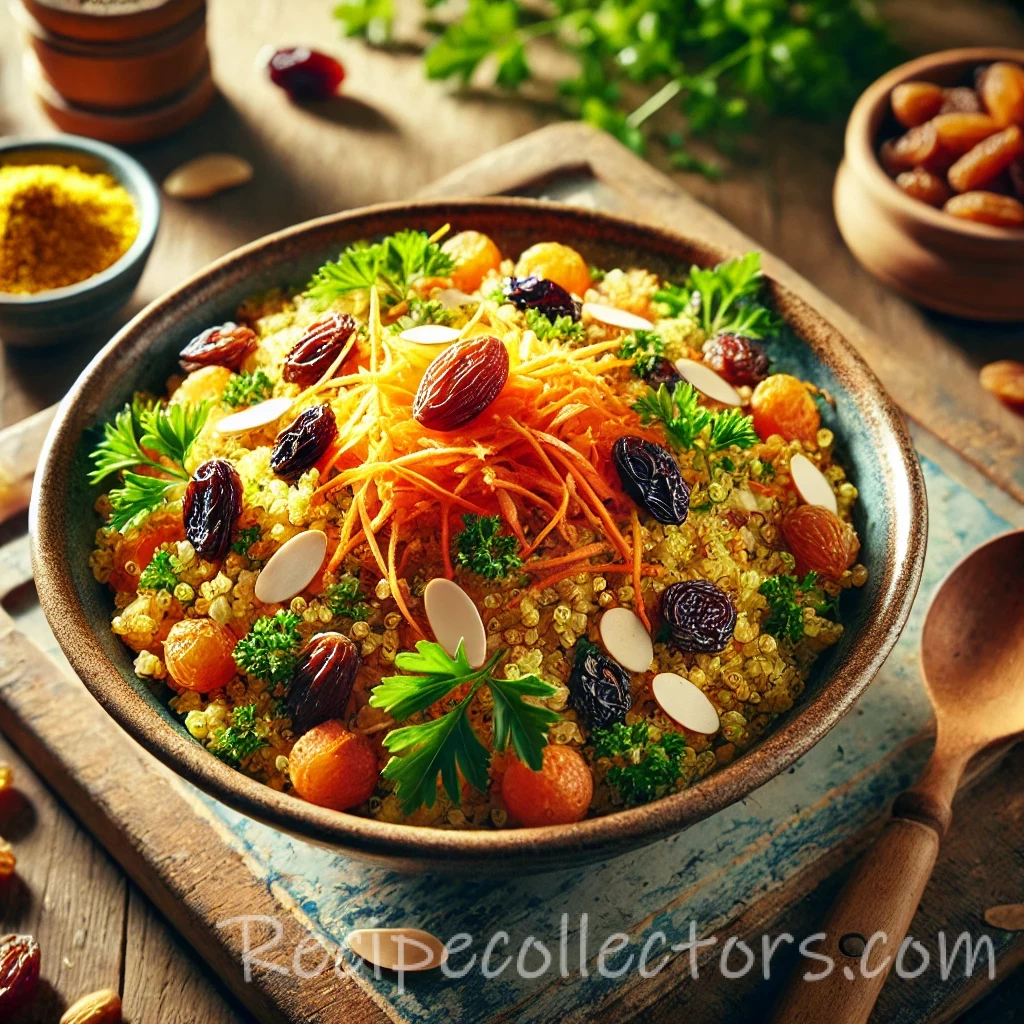
Add the quinoa and cook, uncovered, over medium-high heat for 10 minutes.
Drain and set aside, fluffing with a fork every now and then to let the steam escape and prevent further cooking.
In a large-size bowl, whisk together the oil, lemon juice, salt, pepper, turmeric, garlic, ginger, and cumin.
Stir in the quinoa and dried fruit.
Decorate with the almonds, parsley, and carrot.
Notes & Wine Advice
Serving Tip:Serve warm as a side dish or chilled as a salad with fresh greens and a protein like Crispy Tofu Fries for extra crunch.Wine Advice:Pair with a crisp, citrusy white wine like Sauvignon Blanc or a light, floral Riesling.
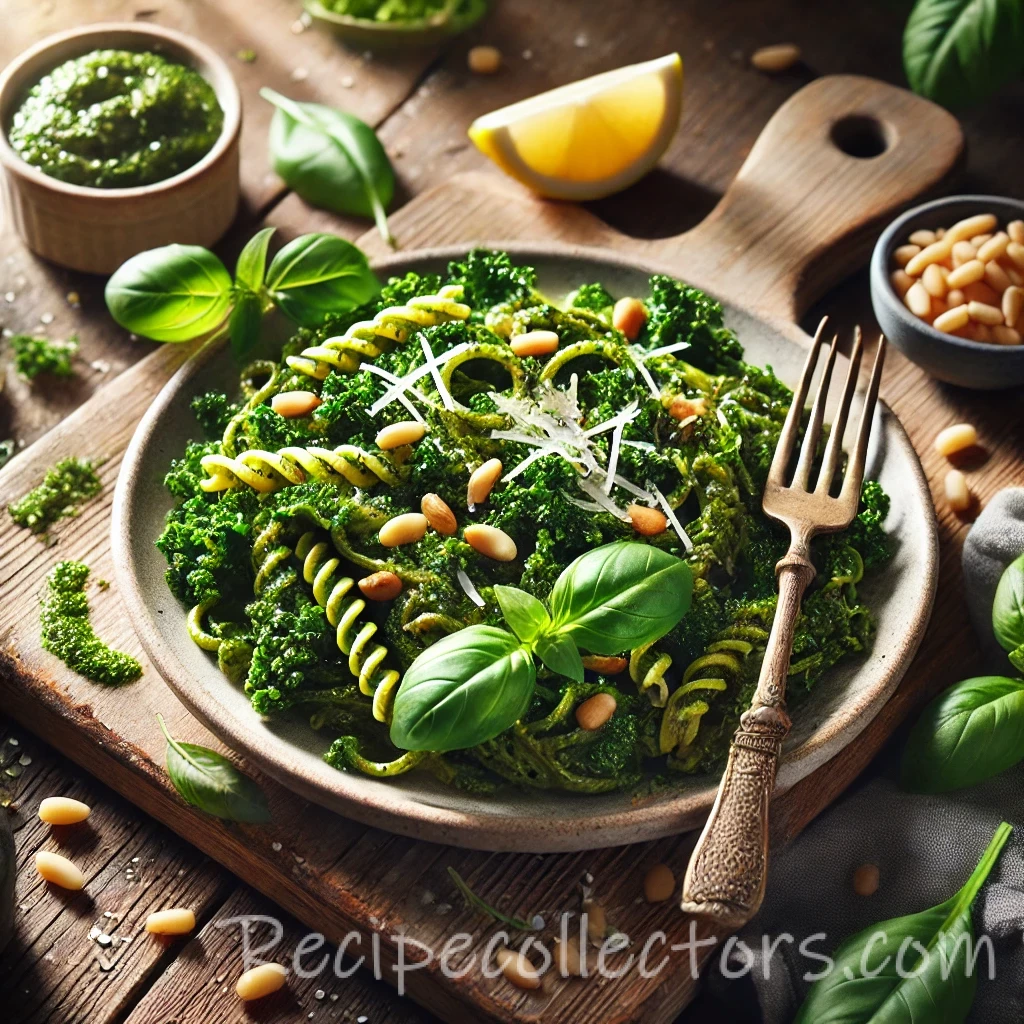
A nutritious and delicious pasta dish featuring kale pesto, creamy nondairy cheese, and a boost of flavor from sesame seeds and nutritional yeast. Ready in under 30 minutes!
Cook the pasta in a medium saucepan according to package directions, aiming for the lowest cooking time.
Reserve 2 tablespoons of pasta water, then drain the pasta and set aside.
In the same saucepan, stir in the kale pesto, cream cheese, sesame seeds, nutritional yeast, black pepper, and reserved pasta water.
Return the pasta to the saucepan and let simmer for 5 minutes, allowing the kale to cook slightly and the flavors to meld.
Serve warm and enjoy!
Notes & Wine Advice
Serving Tip:Top with extra sesame seeds or a sprinkle of crushed red pepper for added texture and spice.Wine Advice:Pair with a crisp Sauvignon Blanc or a light Pinot Grigio.
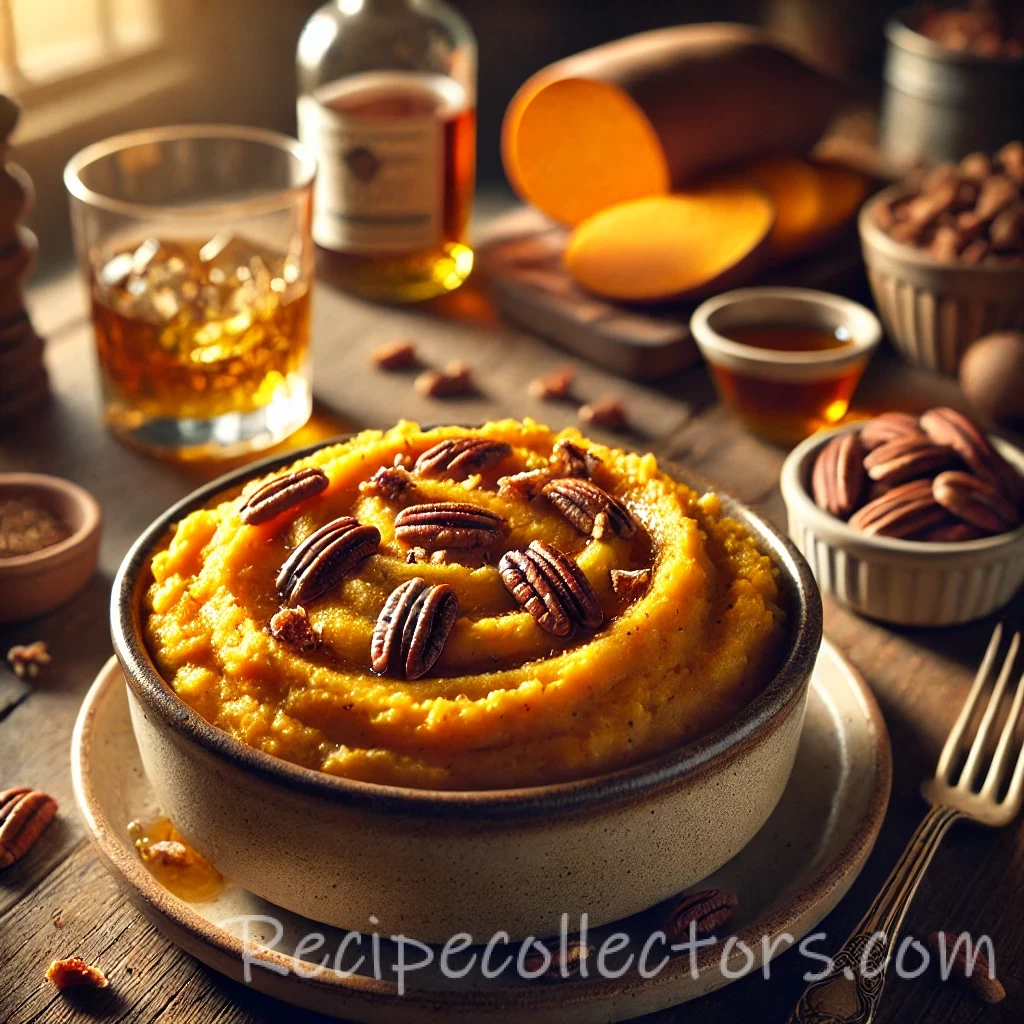
A rich and flavorful twist on traditional mashed potatoes, this adult-only dish combines sweet potatoes, whiskey, and toasted pecans for a decadent side.
Peel the sweet potatoes and red or russet potatoes.
Boil them in a large pot until fork-tender, then drain.
Add the brown sugar, maple syrup, butter, sour cream, whiskey, cinnamon, and salt.
Mash until smooth, leaving some lumps if desired.
Fold in the toasted pecans and serve warm.
Notes & Wine Advice
Serving Tip:Serve warm as a side dish for holiday dinners or special occasions.Wine Advice:Pair with a full-bodied red wine, such as Zinfandel or a rich Shiraz.
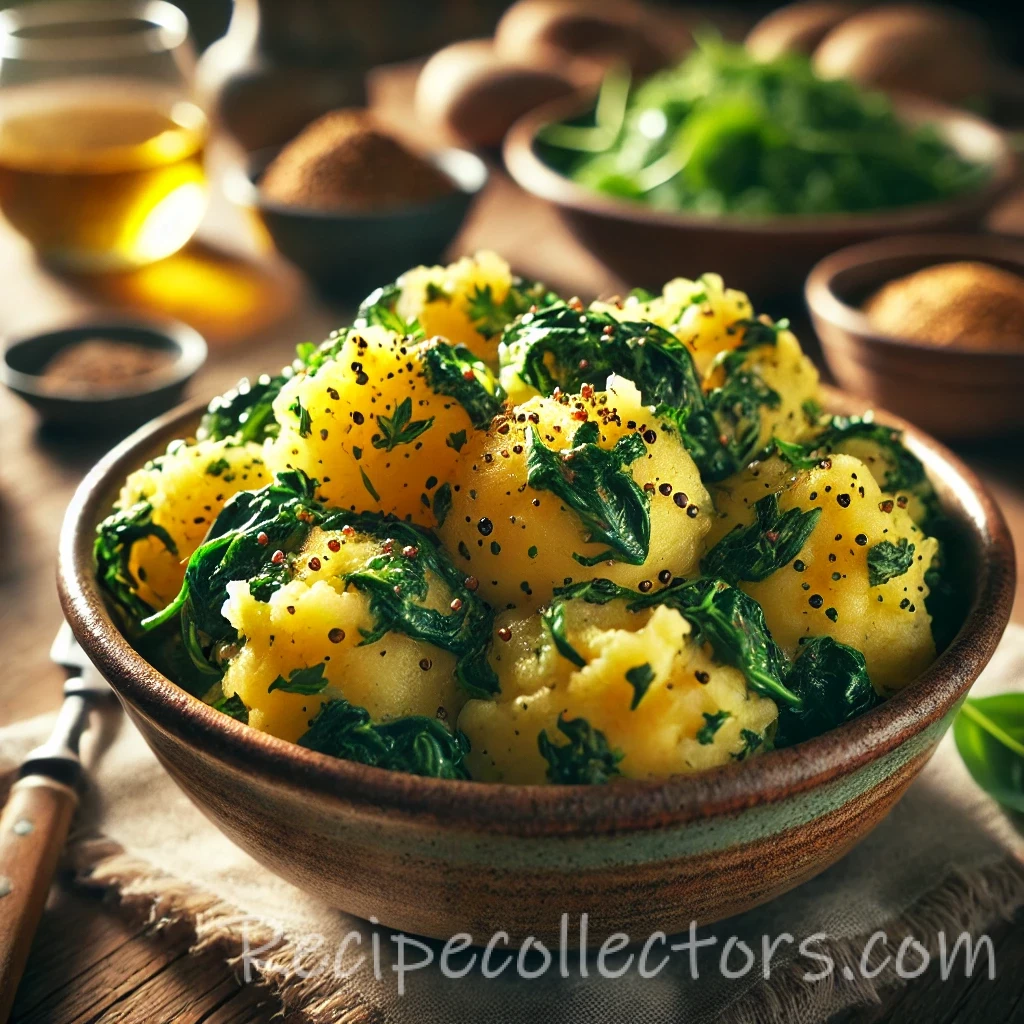
If using frozen spinach, cook according to package instructions.
If using fresh, cook in a large pot until reduced to about 3 cups.
Drain and set aside.
Drain the potatoes and return them to the pot.
Add the spinach, mustard, sour cream, butter, salt, and pepper.
Mash until the desired consistency is reached.
Notes & Wine Advice
Serving Tip:Serve warm as a side dish to roasted vegetables or grilled plant-based protein.Wine Advice:A crisp Sauvignon Blanc or a light Pinot Noir complements the mustard and spinach flavors well.
Bake the unwrapped potatoes for about 1 hour, or until fork-tender.
Remove the potatoes from the oven and increase the temperature to 450°F (230°C, or gas mark 8).
Slice the potatoes in half lengthwise.
Hollow out 8 halves, leaving about ¼ inch (6 mm) of flesh around the edge, and place the scooped-out flesh into a mixing bowl.
Completely hollow out the remaining 8 halves, placing the flesh in the bowl and discarding the skins.
Add the butter, nutritional yeast, nondairy creamer, sour cream, salt, and pepper to the potato flesh.
Mash with a hand masher or mix with a hand mixer until smooth.
Using a piping bag with a large star tip (or a sandwich bag with the corner snipped off), pipe the mashed potato mixture into mounds inside the hollowed-out potato halves.
Alternatively, spoon the mixture in and use a fork to create decorative ridges.
Place the filled potato halves back on a baking sheet and bake for 15 minutes, or until the tops are just starting to brown.
Serve warm and enjoy!
Notes & Wine Advice
Serving Tip
Serve as a side dish for a holiday roast, grilled veggies, or even as a comforting main with a fresh green salad.
Wine Advice
Pair with a light Chardonnay or sparkling wine for a touch of elegance.
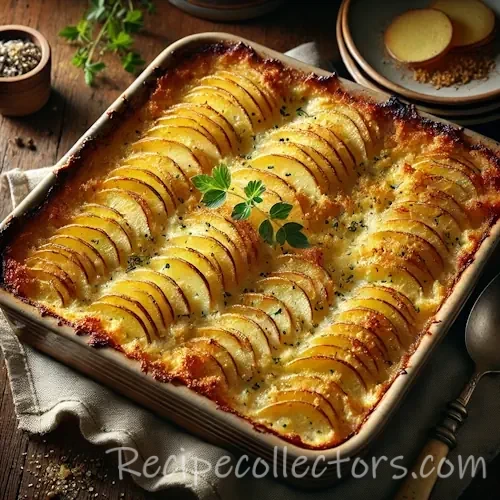
Rinse the sliced potatoes in cold water to prevent discoloration, drain, and set aside.
In a blender, combine the tofu, nutritional yeast, sesame oil, soy creamer, cornstarch, miso, garlic powder, onion powder, paprika, turmeric, salt, and pepper.
Blend until smooth.
In a large bowl, toss the potato slices with the blended sauce to coat evenly.
Spread the potatoes and sauce evenly into an 8 × 8-inch (20 × 20-cm) square baking dish.
Sprinkle bread crumbs on top, if desired.
Cover the dish with aluminum foil and bake for 45 minutes.
Remove the foil and bake uncovered for an additional 30 minutes, until golden brown and bubbling.
Allow the dish to rest for 10 minutes before serving.
Notes & Wine Advice
Serving Tip
Serve as a side with roasted vegetables, vegan roasts, or even a fresh green salad. For added color and flavor, mix in steamed kale, broccoli, or asparagus before baking.
Wine Advice
Pair with a medium-bodied white wine like Chardonnay or a light red such as Pinot Noir.
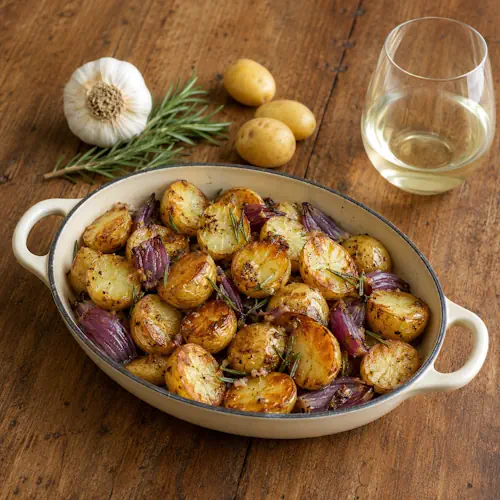
White Wine Rosemary Potatoes are oven-roasted with red onion, garlic, Dijon mustard, and a tangy white-wine dressing. They develop tender centres and golden edges, making them a flavourful vegan side dish.
Place the garlic, black pepper, sea salt, rosemary, white wine, white wine vinegar, Dijon mustard, and olive oil in an 8-inch square baking dish.
Whisk until thoroughly combined.
For the Potatoes
Add the halved potatoes and red onion wedges to the baking dish.
Toss until everything is evenly coated with the dressing.
Arrange the potatoes cut-side down when possible.
Cover the baking dish tightly with aluminum foil.
Bake for 30 minutes.
Carefully remove the aluminum foil.
Stir the potatoes and onions gently.
Return the uncovered dish to the oven.
Roast for another 25 minutes until the potatoes are golden and fork-tender.
Let the potatoes stand for 5 minutes before serving.
Notes & Wine Advice
Serving Suggestions
Serve these potatoes with roasted chicken, grilled fish, steak, pork tenderloin, or vegetable sausages. For a vegan main course, combine them with a green salad, roasted vegetables, and cooked lentils or chickpeas.
Recipe Notes
Choose small potatoes of a similar size so they cook evenly. Arrange the cut surfaces against the baking dish when possible to encourage browning. Covering the dish during the first stage traps steam and softens the potatoes before the uncovered roasting stage creates golden edges.
Variations
Replace rosemary with thyme, oregano, or Italian seasoning. Add carrots, parsnips, fennel, mushrooms, or bell peppers. Shallots can replace the red onion. For an alcohol-free version, replace the white wine with an equal amount of vegetable broth.
Storage and Reheating
Refrigerate leftovers in a covered container for up to three days. Reheat them uncovered in a 375°F (190°C) oven or air fryer until hot and crisp. Microwave reheating is faster but produces softer potatoes.
Wine Advice
Serve the same dry Sauvignon Blanc used for cooking alongside the meal. A crisp Pinot Grigio also complements the mustard, rosemary, garlic, and red onion.
White Wine Rosemary Potatoes combine baby Yukon Gold potatoes with red onion, garlic, Dijon mustard, rosemary, and a sharp white-wine dressing. These rosemary Dijon potatoes cook first under foil and then roast uncovered, producing soft centres, caramelised onions, and lightly golden edges.
The recipe uses one baking dish from mixing through serving, which keeps preparation and washing-up manageable. It works as a flavourful side dish with meat or fish, but the potatoes can also become part of a vegan meal when served with legumes, roasted vegetables, or a substantial green salad.
White Wine Rosemary Potatoes
Baby Yukon Gold potatoes are particularly suitable because they have thin skins, creamy flesh, and enough structure to retain their shape during roasting. Scrub them carefully but leave the skins intact. Halving the potatoes exposes a flat surface that can brown against the bottom of the baking dish.
Try to select potatoes of a similar size. If some are noticeably larger, cut them into quarters so every piece cooks at roughly the same rate. Uneven pieces can result in smaller potatoes becoming too soft before the larger ones are tender.
Making the White-Wine Dressing
The roasting liquid brings several strong flavours together. Dry white wine contributes acidity and a subtle fruitiness, while white wine vinegar sharpens the mixture. Dijon mustard adds savoury depth and helps combine the wine, vinegar, and olive oil into a cohesive dressing.
Garlic and rosemary provide the main aromatics. Crumble the dried rosemary between your fingers before adding it so its fragrance is released and large, woody pieces are broken apart. Whisk the dressing directly in the baking dish before adding the potatoes and onion.
Rosemary Dijon Potatoes
The two-stage cooking method gives rosemary Dijon potatoes their tender texture and roasted finish. During the first 30 minutes, aluminum foil traps moisture inside the dish. The potatoes absorb the seasoned liquid while steam cooks their interiors evenly.
After removing the foil, stir everything gently and return the dish to the oven. The remaining liquid reduces, the onions caramelise, and the potatoes begin to brown. Arrange as many pieces as possible with their cut surfaces against the bottom of the dish for stronger colour and flavour.
Serving Ideas and Variations
These potatoes complement roasted chicken, grilled fish, pork tenderloin, steak, and meat-free sausages. They also work well with leafy vegetables, green beans, asparagus, or a fresh salad. For another vegetable side dish suitable for the same table, try our Balsamic Roasted Asparagus and Onions.
Thyme, oregano, or mixed Italian herbs can replace rosemary. Root vegetables such as carrots or parsnips may be roasted alongside the potatoes when cut into similarly sized pieces. For an alcohol-free version, substitute vegetable broth for the white wine. The result will be less acidic, so add a small additional splash of vinegar if needed.
Storage and Food Safety
Let leftovers cool before placing them in a covered container. Refrigerate them within two hours and use them within three days. Reheat only the amount needed and ensure the potatoes are hot throughout before serving.
An oven or air fryer restores the roasted surface more effectively than a microwave. Spread the potatoes in one layer and heat them at 375°F until crisp and steaming. Follow current FDA safe food-handling guidance when cooling, storing, and reheating cooked vegetables.
White Wine Rosemary Potatoes offer creamy interiors, golden edges, fragrant herbs, and a tangy Dijon finish in a versatile oven-roasted dish.
This hearty Ethiopian stew combines tender vegetables, spiced seitan, and lentils in a rich, flavorful broth. Served with injera, it’s the perfect comforting meal with layers of deep flavors.
Heat 2 tablespoons of the olive oil in a Dutch oven over medium heat.
Add the onions and a pinch of salt.
Let them sweat for 15 to 20 minutes, stirring occasionally.
While the onions cook, chop the seitan and potatoes into bite-size chunks.
Set aside.
Add the remaining ½ cup olive oil to the onions and deglaze the pot.
Add the vegetable broth and bring to a boil.
Add the seitan, carrots, potatoes, lentils, and cracked black pepper.
Bring to a boil again, then reduce to a simmer.
Cover and cook for 30 minutes.
Stir in the rice, cover, and simmer for an additional 20 minutes or until the rice is tender.
Serve on its own or with injera (optional, for scooping).
Notes & Wine Advice
Serving Tip:For an authentic Ethiopian experience, serve with injera, a tangy sourdough flatbread, for scooping up the flavorful stew.Wine Advice:Pair with a light red wine such as Pinot Noir or a mild white wine like Chardonnay to complement the spices of the stew.
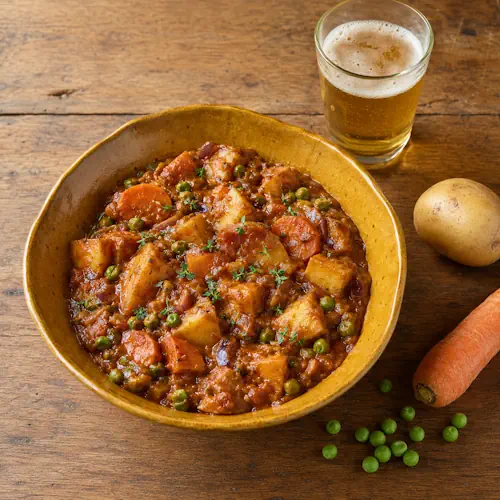
Peanut Coconut Potato Stew is a rich one-pot meal filled with potatoes, carrots, peas, coconut milk, peanut butter, molasses, and warming spices. Lager and Dijon mustard add depth to this comforting vegan stew.
Place the molasses, vegan Worcestershire sauce, lemon juice, Dijon mustard, peanut butter, and dried thyme in a small mixing bowl.
Whisk until smooth and evenly combined.
Set the peanut sauce aside.
For the Stew
Heat the olive oil in a large saucepan over medium heat.
Add the red onion, garlic, potatoes, and carrots.
Cook for 8 minutes while stirring occasionally.
Add the chili powder and sea salt.
Stir until the vegetables are evenly coated.
Cook for 1 minute.
Add the tomato paste.
Cook for another minute while stirring continuously.
Pour the prepared peanut sauce into the saucepan.
Stir until the vegetables are evenly coated.
Add the bay leaf, lager beer, and coconut milk.
Stir thoroughly.
Cover the saucepan and reduce the heat to medium-low.
Simmer for 40 minutes while stirring occasionally.
Check that the potatoes are fork-tender.
Stir in the frozen peas.
Cook uncovered for another 5 to 10 minutes until the peas are hot and the sauce has thickened.
Remove and discard the bay leaf.
Serve the stew hot.
Notes & Wine Advice
Serving Suggestions
Serve the stew in deep bowls with crusty bread, flatbread, or cooked rice. Fried or grilled vegan sausages can be added for extra protein. A simple green salad provides a fresh contrast to the rich peanut and coconut sauce.
Recipe Notes
Cut the potatoes into evenly sized pieces so they cook at the same rate. Stir the stew regularly because peanut butter can settle against the bottom of the pan. Add a small splash of water or vegetable broth if the sauce becomes too thick before the potatoes are tender.
Variations
Replace the peas with green beans, chickpeas, spinach, or kale. Sweet potatoes may replace half the regular potatoes. For an alcohol-free version, replace the lager with vegetable broth. Add cayenne pepper or fresh chilli for a hotter stew.
Storage and Reheating
Refrigerate cooled leftovers in a covered container for up to three days. The stew thickens during storage, so add a splash of water, coconut milk, or vegetable broth while reheating. Warm it gently and stir frequently to prevent the peanut sauce from sticking.
Wine Advice
A crisp Sauvignon Blanc balances the rich coconut milk, peanut butter, mustard, and molasses. An aromatic Riesling is another suitable choice, especially when extra chilli is added.
Peanut Coconut Potato Stew is a hearty vegan one-pot meal made with potatoes, carrots, peas, coconut milk, peanut butter, and a boldly seasoned sauce. This creamy vegan stew combines savoury, sweet, tangy, and gently spicy flavours, making it especially comforting during autumn and winter.
The original combination may seem unusual at first. Lager, molasses, Worcestershire sauce, mustard, peanut butter, and coconut milk each bring a different quality to the saucepan. Together, they create a thick sauce with enough acidity and spice to balance the starchy potatoes and sweet carrots.
Peanut Coconut Potato Stew
Potatoes form the main body of the dish. Choose firm all-purpose potatoes that will soften during simmering without completely falling apart. Leaving the skins on adds texture and saves preparation time, but scrub them thoroughly before cutting.
Cut the potatoes into even 1-inch cubes and the carrots into similarly sized half-moons. Consistent pieces are important because the vegetables cook together in one pan. If the potatoes are much larger than the carrots, they may remain firm after the other ingredients are ready.
Preparing the Peanut Sauce
Whisking the sauce separately helps the peanut butter disperse evenly. Blackstrap molasses adds a deep, slightly bitter sweetness, while vegan Worcestershire sauce contributes savoury complexity. Lemon juice and Dijon mustard provide acidity that prevents the coconut milk and peanut butter from tasting overly rich.
Use natural creamy peanut butter made primarily from peanuts. Sweetened sandwich spreads can make the finished stew too sugary, especially when combined with molasses. Stir the sauce until smooth before adding it to the vegetables.
Creamy Vegan Stew
The creamy vegan stew begins by cooking the onion, garlic, potatoes, and carrots in a small amount of olive oil. This step develops flavour before the liquid ingredients enter the pan. Briefly cooking the chilli powder and tomato paste also removes their raw taste.
Lager provides malty flavour and helps loosen the peanut sauce. Most alcohol cooks away during simmering, but the recipe is not alcohol-free. Vegetable broth is the straightforward replacement when serving children or anyone avoiding alcohol. Check that the Worcestershire sauce is labelled vegan because traditional versions commonly contain anchovies.
Simmering and Thickening
Cover the saucepan during the main cooking stage so the potatoes and carrots soften without losing too much liquid. Stir occasionally, reaching across the bottom of the pan to prevent the peanut butter from catching. The heat should remain low enough for a steady simmer rather than a vigorous boil.
Add the frozen peas only after the potatoes are tender. They need several minutes to heat through and retain better colour when they are not simmered for the full cooking time. Remove the lid during this final stage so excess moisture can evaporate and the sauce can thicken.
Serving and Easy Variations
Serve the stew with bread, rice, couscous, or a fresh salad. Vegan sausages, chickpeas, or cooked lentils provide additional protein. Sweet potatoes, green beans, spinach, or kale can also be incorporated without changing the essential character of the dish.
When you want a lighter potato dish for another meal, try our White Wine Rosemary Potatoes. Their sharp mustard and rosemary flavours provide a useful contrast to this richer stew.
Storage and Food Safety
Allow leftovers to cool before transferring them to covered containers. Refrigerate promptly and use within three days. The potato and peanut sauce will continue to absorb moisture, so loosen the stew with water or coconut milk during reheating.
Warm individual portions until steaming hot and stir several times for even heating. Follow current FDA safe food-handling guidance when cooling, refrigerating, and reheating prepared meals. Peanut Coconut Potato Stew delivers a filling combination of tender vegetables and a distinctive sweet-savory sauce.
Manage Consent
To provide the best experiences, we use technologies like cookies to store and/or access device information. Consenting to these technologies will allow us to process data such as browsing behavior or unique IDs on this site. Not consenting or withdrawing consent, may adversely affect certain features and functions.
Functional
Always active
The technical storage or access is strictly necessary for the legitimate purpose of enabling the use of a specific service explicitly requested by the subscriber or user, or for the sole purpose of carrying out the transmission of a communication over an electronic communications network.
Preferences
The technical storage or access is necessary for the legitimate purpose of storing preferences that are not requested by the subscriber or user.
Statistics
The technical storage or access that is used exclusively for statistical purposes.The technical storage or access that is used exclusively for anonymous statistical purposes. Without a subpoena, voluntary compliance on the part of your Internet Service Provider, or additional records from a third party, information stored or retrieved for this purpose alone cannot usually be used to identify you.
Marketing
The technical storage or access is required to create user profiles to send advertising, or to track the user on a website or across several websites for similar marketing purposes.
To provide the best experiences, we use technologies like cookies to store and/or access device information. Consenting to these technologies will allow us to process data such as browsing behavior or unique IDs on this site. Not consenting or withdrawing consent, may adversely affect certain features and functions.
Functional
Always active
The technical storage or access is strictly necessary for the legitimate purpose of enabling the use of a specific service explicitly requested by the subscriber or user, or for the sole purpose of carrying out the transmission of a communication over an electronic communications network.
Preferences
The technical storage or access is necessary for the legitimate purpose of storing preferences that are not requested by the subscriber or user.
Statistics
The technical storage or access that is used exclusively for statistical purposes.The technical storage or access that is used exclusively for anonymous statistical purposes. Without a subpoena, voluntary compliance on the part of your Internet Service Provider, or additional records from a third party, information stored or retrieved for this purpose alone cannot usually be used to identify you.
Marketing
The technical storage or access is required to create user profiles to send advertising, or to track the user on a website or across several websites for similar marketing purposes.