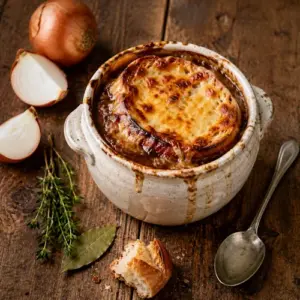
Vegetarian Ciabatta Stuffing with Mushrooms and Chestnuts
Ingredients
- 1/4 package 5.2 oz peeled roasted chestnuts, coarsely chopped (1 cup)
- 1/8 cup butter
- 1/8 cup celery diced
- 2 cups ciabatta bread cubed ½ inch (about 1 lb)
- 1/4 lb cremini mushrooms thinly sliced
- 1/2 eggs slightly beaten
- 1/4 cup Gruyère cheese shredded 4 oz
- 1/16 cup Italian flat-leaf parsley chopped fresh
- 1/16 teaspoon nutmeg grated
- 1/16 teaspoon pepper
- 1/8 teaspoon salt
- 1/4 cup shallots diced
- 1/2 tablespoons thyme leaves chopped fresh
- 1/2 cups vegetable broth

Instructions
- Heat oven to 325°F.
- Place 2 cups of ½ inch cubed ciabatta bread on an ungreased cookie sheet.
- Bake 10 to 15 minutes or until dry and crispy.
- Cool completely.
- Meanwhile, in a 4-quart Dutch oven, melt 1/8 cup butter over medium heat.
- Cook 1/4 cup diced shallots, 1/8 cup diced celery, 1/8 teaspoon salt, and 1/16 teaspoon pepper in butter 6 to 8 minutes, stirring occasionally, until tender.
- Increase heat to medium-high.
- Add 1/4 lb thinly sliced cremini mushrooms; cook 6 to 8 minutes or until mushrooms release juices and begin to brown.
- Stir in 1/4 package (5.2 oz) peeled roasted chestnuts, coarsely chopped, and 1/2 cup vegetable broth; heat to simmering.
- Cook 2 to 3 minutes, stirring frequently, using spoon to release browned bits from bottom.
- Remove from heat; cool 5 minutes.
- In a large bowl, mix 1/2 slightly beaten eggs, 1/16 cup chopped fresh Italian flat-leaf parsley, 1/2 tablespoons chopped fresh thyme leaves, and 1/16 teaspoon grated nutmeg.
- Stir in bread cubes.
- Add mushroom mixture; stir to combine.
- Spray a 13×9-inch (3-quart) glass baking dish or 3-quart casserole with cooking spray.
- Spoon stuffing into baking dish.
- Cover with foil; bake 30 minutes.
- Uncover; bake 12 to 15 minutes longer or until hot in center and top is browned and crispy.
- Top with 1/4 cup shredded Gruyère cheese (4 oz).
- Let stand 5 minutes before serving.
Notes & Wine Advice
Serving Advice
Serve this vegetarian ciabatta stuffing warm as a flavorful side dish alongside roasted vegetables or a fresh green salad. The melted Gruyère cheese on top adds a creamy, nutty richness that complements the earthy mushrooms and chestnuts. This dish pairs well with autumnal meals and is perfect for holiday gatherings or cozy family dinners. Leftovers can be reheated gently in the oven to maintain the crispy top.Variations
For a different flavor profile, substitute the cremini mushrooms with wild mushrooms such as morels, chanterelles, or shiitakes if available. You can also add dried cranberries or chopped dried apricots for a touch of sweetness. To make this dish vegan, replace the butter with olive oil, omit the eggs, and use a plant-based cheese alternative or nutritional yeast for topping. Adding toasted walnuts or pecans can provide extra texture and nutty flavor.Wine Advice
Pinot Noir: Pinot Noir's light to medium body and bright acidity complement the earthy mushrooms and chestnuts without overpowering the delicate flavors of the stuffing. Its subtle fruitiness balances the richness of the Gruyère cheese. Chardonnay: A lightly oaked Chardonnay pairs well with the creamy texture of the Gruyère and the buttery notes in the stuffing. Its moderate acidity and hints of apple and citrus enhance the herbal and nutmeg flavors. Try a sparkling apple cider or a non-alcoholic pear cider to complement the autumnal flavors of the stuffing. These beverages offer a crisp, fruity contrast that refreshes the palate. Estimated ingredient cost: USD 3.50 per serving, excluding optional sides and drinks. Local prices vary. Missing nutrition values have been estimated per serving; existing values were retained. Assumptions: Nutrition estimates are based on the edible portions of all ingredients as listed, assuming 4 equal servings. The bread is standard ciabatta, mushrooms are raw weight before cooking, chestnuts are roasted and peeled, and cheese is Gruyère. Vegetable broth is low sodium. Cooking losses and moisture changes are approximated. No additional salt added beyond recipe amounts. Optional sides and drinks are excluded.Nutrition values
————————————————————————————————–
Ingredients and Flavor Profile
This vegetarian ciabatta stuffing combines the hearty texture of cubed ciabatta bread with the earthy flavors of cremini mushrooms and roasted chestnuts. The mushrooms provide a meaty, umami depth, while the chestnuts add a subtle sweetness and a tender bite. Shallots and celery contribute aromatic and vegetal notes, balanced by fresh herbs like Italian flat-leaf parsley and thyme. A hint of grated nutmeg adds warmth and complexity. The use of Gruyère cheese on top introduces a creamy, nutty richness that melts beautifully, enhancing the overall flavor. Vegetable broth moistens the bread cubes, ensuring the stuffing is tender without being soggy. This combination creates a well-rounded dish that is both comforting and sophisticated, suitable for festive occasions or everyday meals. The ciabatta bread's porous texture is ideal for absorbing the vegetable broth and egg mixture, which helps bind the stuffing while maintaining a pleasant chewiness. The butter not only adds richness but also aids in softening the shallots and celery, releasing their natural sweetness. The combination of fresh herbs like parsley and thyme introduces bright, aromatic notes that contrast with the earthiness of the mushrooms and the mild sweetness of the chestnuts. Nutmeg, used sparingly, enhances the warmth and depth without overpowering the other flavors. The Gruyère cheese topping contributes a slightly salty and nutty flavor that complements the stuffing's savory elements. As it melts and browns, it forms a delicate crust that adds a contrasting texture to the soft interior. The roasted chestnuts provide a unique texture, slightly crumbly yet tender, which balances the chewiness of the bread and the softness of the cooked vegetables. The cremini mushrooms, when sautéed until browned, develop a caramelized flavor that enriches the overall profile of the dish. The vegetable broth serves a dual purpose: it moistens the bread cubes to prevent dryness while infusing subtle savory notes that tie the ingredients together. The careful balance of salt and pepper seasoning ensures the stuffing is flavorful but not salty, allowing the natural tastes of the mushrooms, chestnuts, and herbs to shine. This thoughtful layering of flavors and textures results in a stuffing that is hearty yet nuanced, making it a standout vegetarian option.
Practical Preparation Tips
To achieve the best texture, it is important to dry the bread cubes in the oven until crisp before mixing them with the other ingredients. This step prevents the stuffing from becoming mushy during baking. Cooking the shallots, celery, and mushrooms slowly allows their flavors to develop fully and the mushrooms to release their juices, which are then incorporated into the broth for added depth. Stirring frequently while simmering helps to deglaze the pan and capture all the browned bits, intensifying the flavor. Mixing the eggs and herbs with the bread cubes before adding the mushroom mixture ensures even distribution and binding. Covering the dish with foil during the initial baking phase keeps the stuffing moist, while uncovering it towards the end allows the top to brown and crisp. Letting the stuffing stand after baking helps it set, making it easier to serve. When drying the bread cubes, spreading them in a single layer on the cookie sheet ensures even crisping, which is essential for preventing sogginess later. Cooling the bread completely before mixing helps maintain the desired texture and prevents premature softening. While cooking the vegetables, maintaining medium heat allows the shallots and celery to soften gently without browning too quickly, preserving their delicate flavors. Using a wooden spoon to scrape the browned bits from the bottom of the Dutch oven during simmering is key to capturing concentrated flavors that enhance the stuffing. Allowing the mushroom and chestnut mixture to cool slightly before combining with the egg and bread mixture prevents the eggs from cooking prematurely, ensuring a smooth, cohesive stuffing. When mixing, folding gently helps maintain the bread cubes' integrity and prevents them from breaking down too much. Covering the baking dish with foil traps steam, which helps the stuffing cook evenly and stay moist. Removing the foil near the end of baking encourages the top to develop a golden, crispy crust, adding a pleasing textural contrast. Letting the stuffing rest after baking allows the moisture to redistribute, making it easier to portion and serve without falling apart.
Serving Suggestions and Variations
This stuffing is a versatile side dish that pairs well with a variety of main courses, especially during autumn and winter holidays. It complements roasted vegetables, grilled tofu, or baked squash for a vegetarian meal. For added texture and flavor, consider incorporating nuts such as walnuts or pecans, or dried fruits like cranberries or apricots. To adapt the recipe for vegan diets, substitute butter with olive oil, omit the eggs, and use a plant-based cheese alternative or nutritional yeast for a cheesy flavor. Wild mushrooms can be used instead of cremini for a more intense mushroom taste. This dish can also be prepared ahead of time and refrigerated before baking, making it convenient for busy holiday cooking. Leftovers reheat well in the oven, retaining their crispy top and moist interior. This stuffing can be served as a hearty side dish alongside roasted root vegetables or a simple green salad for a balanced vegetarian meal. It also pairs well with plant-based protein options such as lentil loaf or seitan roast, making it suitable for festive occasions. For a more indulgent variation, a drizzle of browned butter or a sprinkle of toasted pine nuts on top before serving adds richness and crunch. To introduce additional layers of flavor, consider mixing in sautéed leeks or finely chopped roasted red peppers with the mushrooms and chestnuts. For a gluten-free adaptation, substitute the ciabatta bread with a gluten-free bread variety, ensuring it is similarly dried to maintain texture. Fresh herbs can be varied according to preference; rosemary or sage would complement the existing flavors well. This stuffing can be prepared a day in advance and refrigerated, then baked just before serving to save time on busy occasions. Leftovers reheat best in a moderate oven to restore the crispy top while warming the interior evenly. For a lighter option, reduce the amount of cheese or omit it entirely, relying on the herbs and mushrooms to provide flavor depth. This flexibility makes the recipe adaptable to different dietary needs and meal plans. Browse our dinner recipes for more ideas. General kitchen guidance is available from the FDA.