Warm Brussels Sprout Salad with Pecans and Currants
I have converted more brussels sprout haters with this recipe than any other. Sautéing the shredded sprouts gives them an almost creamy texture. Adding the toasted pecans and currants brings in just enough sweetness to disguise any lingering bitterness from the sprouts. I’ve used this as a side dish for Thanksgiving meals, and it pairs very well with poultry or white fish.
Spread the pecans on a baking pan and roast for 8 to 10 minutes, or until fragrant.
Transfer to a food processor and pulse until roughly chopped.
(Alternatively, you can coarsely chop the pecans by hand.
) Set aside.
In a large sauté pan or cast-iron skillet, heat the oil over medium heat.
Add the brussels sprouts and toss until thoroughly coated with oil.
Add the currants and salt and sauté, stirring occasionally for 2 to 3 minutes.
Deglaze the pan with the broth, scraping up any brown bits.
Reduce the heat to medium-low, cover, and simmer for 10 to 15 minutes, until the brussels sprouts are tender.
Remove from the heat, stir in the pecans, and serve.
Notes & Wine Advice
Brussels sprouts help reduce inflammation in a number of ways. Compounds in this member of the cabbage family help the body process toxins, fight off free radicals, and block pro-inflammatory pathways.
If you’ve ever been served red rice when you ordered brown at a Thai restaurant, chances are it was Bhutanese rice. This nutty, earthy, red-toned rice is as nutritious as brown rice but cooks in half the time and is a whole lot more interesting. Flageolet beans are a favorite in French cuisine, and their pale green hue makes them a beautiful companion to the red rice. If you can’t find flageolets, you can substitute cannellini beans or baby limas. Kombu is a type of seaweed that imparts minerals and helps break down the fiber in the beans.
Eating brussels sprouts raw may seem likeabsolute madness to most. Until you think about the fact that it’s just baby cabbage,so it’s actually genius to use it for slaw. If you object to mayonnaise-ladensalads, this will be a welcome replacement. The sprouts and purple cabbage arenicely dressed in a light vinaigrette with a bit of an Asian flair. The sesameoil offsets the grassy notes of the flaxseed oil and balances perfectly withthe tangy sweet rice wine vinegar. I use flaxseed oil because it’s a goodvegetarian source of omega-3s, but you can substitute extra-virgin olive oil ifyou don’t have flaxseed on hand.
In a small bowl, whisk together the rice wine vinegar, sesame oil, flaxseed oil, and agave.
Set aside.
Chop the brussels sprouts into fine strips or use a food processor to shred them.
Chop the purple cabbage into thin strips or shred in a food processor.
Combine the brussels sprouts and cabbage in a large bowl with the raisins and poppy seeds.
Drizzle the vinaigrette over the slaw and toss thoroughly to coat.
Notes & Wine Advice
This slaw gets better after marinating in the dressing for at least a couple hours in the refrigerator. I love to pair leftovers with grilled halibut or cod for fish tacos.
This dish is a mainstay in my repertoire of sidesbecause it’s simple, versatile, and a crowd-pleaser. The types of veggies Iroast correspond with what’s in season, so sometimes it includes more rootvegetables, like rutabaga, turnips, and beets, and other times it includeszucchini, mushrooms, and sweet potatoes. Regardless of the combination I use,dinner guests almost always ask for the recipe.
There’s a relatively short window of opportunityto get your hands on some fresh spring peas, but it’s a window you don’t wantto miss. When you open the pod and see the vibrant, perfect green row of plumplittle peas, you’ll know right away that you’re in for a treat. Don’t fret ifyou miss the spring pea harvest—frozen peas are a perfectly suitable option.This light and creamy salad will dress up any barbecue or picnic. The firm yetcreamy texture of the peas is offset by the crunch from the jicama and celery.A tangy lemon-dill dressing brings this beautifully balanced salad together.
When pho mania hit Seattle, I was late to theparty. I’m not sure what the holdup was, because pho has all of myprerequisites for the perfect comfort food. It’s warm, it has noodles, and thearoma just feels like coming home. After making up for lost time with countlesspho outings, I decided to try to create a slow cooker version with less meat,more veggies, and plenty of flavor. If you can’t find Kaffir lime leaves, justsubstitute a teaspoon of lime zest and a generous squeeze of lime juice. Whenserving the pho, choose a selection of suggested toppings from the list to passat the table.
Lentils are so delightfully simple. There’s nosoaking required, and the cooking time is shorter than most legumes. Redlentils are often the first choice for dal, an Indian dish that’s theconsistency of mashed potatoes. This is primarily because red lentils don’thold their shape when you cook them, which makes them desirable for thickersoups and stews. In this recipe, you’ll be simmering them for ninety minutesover low heat so they will soften and break apart, blending into the stew. Theaddition of balsamic vinegar and roasted garlic really brings the flavors togetherand makes this the ultimate anti-inflammatory comfort food!
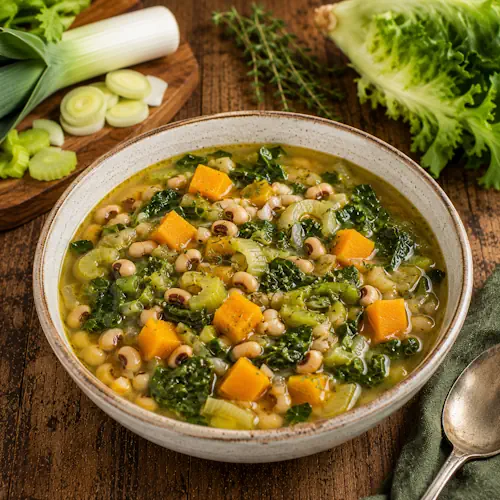
Black-Eyed Pea Escarole Soup is a hearty vegetable soup made with black-eyed peas, tender escarole, butternut squash, leeks, and aromatic herbs. This wholesome soup is naturally satisfying, freezer-friendly, and perfect for a nourishing lunch or comforting dinner.
Add the vegetable broth, garlic, thyme, and oregano.
Bring to a boil.
Reduce the heat and simmer gently.
Heat the coconut oil in a medium skillet.
Cook the leeks and celery for about 5 minutes until softened.
Transfer the vegetables to the stockpot.
Cover and simmer for 40 minutes.
Add the butternut squash and escarole.
Continue simmering for another 20 minutes.
Season with the sea salt and black pepper.
Serve hot.
Freeze leftovers in airtight containers for up to 6 months.
Notes & Wine Advice
Recipe Notes
Soaking the black-eyed peas overnight helps them cook more evenly and creates a creamier soup.Escarole becomes wonderfully tender while keeping a pleasant texture and mild flavor.This soup freezes exceptionally well, making it ideal for meal prep and busy weeks.Serve with crusty whole-grain bread for a complete and satisfying meal.
Wine Advice
A fresh Sauvignon Blanc complements the herbs and earthy vegetables beautifully.For a richer pairing, choose a lightly oaked Chardonnay, which balances the creamy texture of the soup.
Black-Eyed Pea Escarole Soup is a hearty vegetable soup that combines tender black-eyed peas, sweet butternut squash, fresh escarole, and aromatic herbs into one comforting bowl. The combination of earthy legumes and naturally sweet vegetables creates a nourishing meal that is both filling and packed with wholesome ingredients. This soup is perfect for cool evenings, healthy lunches, or preparing ahead for busy weekdays.
Why You’ll Love This Healthy Soup
Black-Eyed Pea Escarole Soup transforms simple pantry ingredients into a flavorful and satisfying meal. The black-eyed peas provide plant-based protein and fiber, while butternut squash adds natural sweetness that perfectly balances the gentle bitterness of escarole. Fresh thyme, oregano, garlic, and leeks create a fragrant broth that becomes richer as the soup slowly simmers.
Cooking Black-Eyed Pea Soup
This black-eyed pea soup develops even more flavor when the peas are soaked overnight before cooking. Simmering the vegetables slowly allows every ingredient to soften while maintaining its individual character. The escarole wilts beautifully into the broth, adding freshness without overpowering the other ingredients.
Serving Ideas
Black-Eyed Pea Escarole Soup is delicious served with crusty whole-grain bread, warm sourdough, or a simple green salad. It also makes an excellent light dinner or meal-prep lunch because the flavors continue to improve after a day in the refrigerator. Discover more nourishing bowls in our Soup Recipes collection.
Storage and Freezing Tips
Store leftover black-eyed pea soup in an airtight container in the refrigerator for up to four days. The soup also freezes exceptionally well for up to six months, making it ideal for batch cooking. Thaw overnight in the refrigerator and reheat gently before serving. For additional food safety information, visit the FDA Food Safety website.
Whether you need a healthy family meal or a comforting bowl on a cold day, Black-Eyed Pea Escarole Soup offers wholesome ingredients, satisfying texture, and rich homemade flavor. It is a nutritious recipe you’ll enjoy making throughout the year.
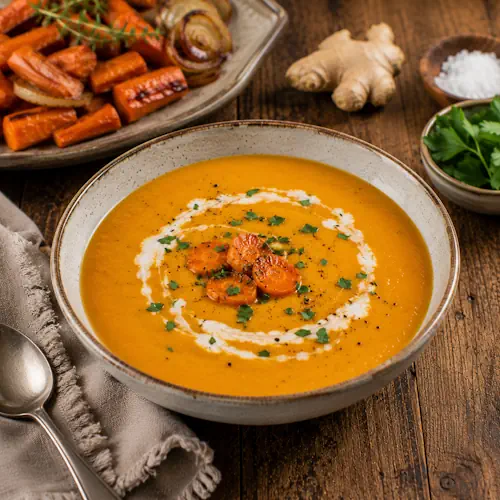
Caramelized Carrot Ginger Soup is a silky, naturally sweet soup made with oven-roasted carrots, onion, fresh ginger, and vegetable broth. Roasting the vegetables develops deep caramelized flavors, creating a comforting and healthy soup that’s perfect for lunch or a light dinner.
Roast for about 30 minutes until the carrots are tender and lightly caramelized.
Transfer the roasted vegetables to a food processor or blender.
Add the vegetable broth, water, grated ginger, and sea salt.
Blend until completely smooth.
Pour the soup into a saucepan.
Heat gently over medium heat until hot.
Serve immediately.
Notes & Wine Advice
Recipe Notes
Roasting the carrots and onion creates a naturally rich sweetness that makes this soup especially flavorful.Blend until completely smooth for the creamiest texture.Add a little extra vegetable broth if you prefer a thinner consistency.Garnish with fresh herbs, toasted pumpkin seeds, or a drizzle of coconut cream before serving.
Wine Advice
A crisp Sauvignon Blanc beautifully complements the fresh ginger and naturally sweet carrots.For a richer pairing, enjoy a lightly oaked Chardonnay, whose creamy character matches the roasted vegetables perfectly.
Caramelized Carrot Ginger Soup is a smooth, nourishing soup that transforms simple vegetables into a bowl full of rich, naturally sweet flavor. Roasting the carrots and onion before blending them creates deep caramelized notes that pair beautifully with fresh ginger. This wholesome soup is easy to prepare, naturally dairy-free, and makes a comforting lunch or light dinner throughout the cooler months.
Why You’ll Love This Healthy Soup
Caramelized Carrot Ginger Soup relies on simple pantry ingredients while delivering impressive flavor. Roasting concentrates the carrots’ natural sweetness, while onion adds depth and fresh ginger provides a gentle warmth that keeps every spoonful balanced. Coconut palm sugar enhances the caramelization without making the soup overly sweet.
Perfect Carrot Ginger Soup
This carrot ginger soup is wonderfully versatile. Blend it until silky smooth for an elegant presentation or leave it slightly rustic for extra texture. If you prefer a thicker consistency, reduce the amount of broth slightly. For a lighter version, simply stir in a splash of additional vegetable broth before serving.
Serving Ideas
Caramelized Carrot Ginger Soup pairs beautifully with toasted sourdough, whole-grain bread, warm flatbread, or a crisp green salad. It also works well as a starter before a larger meal. Browse our Soup Recipes collection for more wholesome homemade soups.
Storage and Freezing Tips
Store leftover carrot ginger soup in an airtight container in the refrigerator for up to four days. The soup freezes well for up to three months and reheats beautifully over low heat while stirring occasionally. For safe food storage recommendations, visit the FDA Food Safety website.
Whether you’re preparing a healthy weekday lunch or looking for a comforting bowl of homemade soup, Caramelized Carrot Ginger Soup delivers creamy texture, naturally sweet roasted vegetables, and fresh ginger in every spoonful. It’s a recipe you’ll enjoy making again and again throughout the year.
This vegetarian stew has a colorful array ofbeans and features the lesser-known adzuki bean, a small red bean that’s aparticular favorite in macrobiotic diets. It’s a nutritional powerhouse, loadedwith minerals and easier to digest than some other beans. Kombu is a seavegetable (aka seaweed) that helps tenderize the beans and imparts mineralsduring cooking. I like to think of it as the bay leaf for beans. Adding chunkyvegetables and quinoa to this stew gives it a hearty enough texture to satisfyany meat-eating friends or family. Note that the black beans should be soakedseparately as they are cooked longer than the others.
Put the black beans in a large stockpot with the broth and kombu.
Bring to a boil over medium-high heat, then reduce the heat to medium-low and simmer for 20 minutes.
Add the adzuki and cannellini beans and simmer for another 60 to 90 minutes, or until all the beans are tender.
Meanwhile, heat the oil in a medium sauté pan over medium heat.
Add the onion and sauté until translucent.
Add the zucchini and sauté for 3 to 4 minutes.
Set aside.
When the beans are tender, discard the kombu.
Add the onions and zucchini, sweet potato, garlic, quinoa, chili powder, cumin, ginger, salt, and cinnamon to the stockpot.
Stir in any optional items at this time.
Reduce the heat to low and simmer for 30 to 40 minutes to allow the flavors to mingle and the sweet potato to soften.
Notes & Wine Advice
Quinoa is higher in healthy unsaturated fats than most other grains and even contains a small amount of omega-3s. It’s also loaded with a unique blend of phytonutrients known to be anti-inflammatory.
To provide the best experiences, we use technologies like cookies to store and/or access device information. Consenting to these technologies will allow us to process data such as browsing behavior or unique IDs on this site. Not consenting or withdrawing consent, may adversely affect certain features and functions.
Functional
Always active
The technical storage or access is strictly necessary for the legitimate purpose of enabling the use of a specific service explicitly requested by the subscriber or user, or for the sole purpose of carrying out the transmission of a communication over an electronic communications network.
Preferences
The technical storage or access is necessary for the legitimate purpose of storing preferences that are not requested by the subscriber or user.
Statistics
The technical storage or access that is used exclusively for statistical purposes.The technical storage or access that is used exclusively for anonymous statistical purposes. Without a subpoena, voluntary compliance on the part of your Internet Service Provider, or additional records from a third party, information stored or retrieved for this purpose alone cannot usually be used to identify you.
Marketing
The technical storage or access is required to create user profiles to send advertising, or to track the user on a website or across several websites for similar marketing purposes.