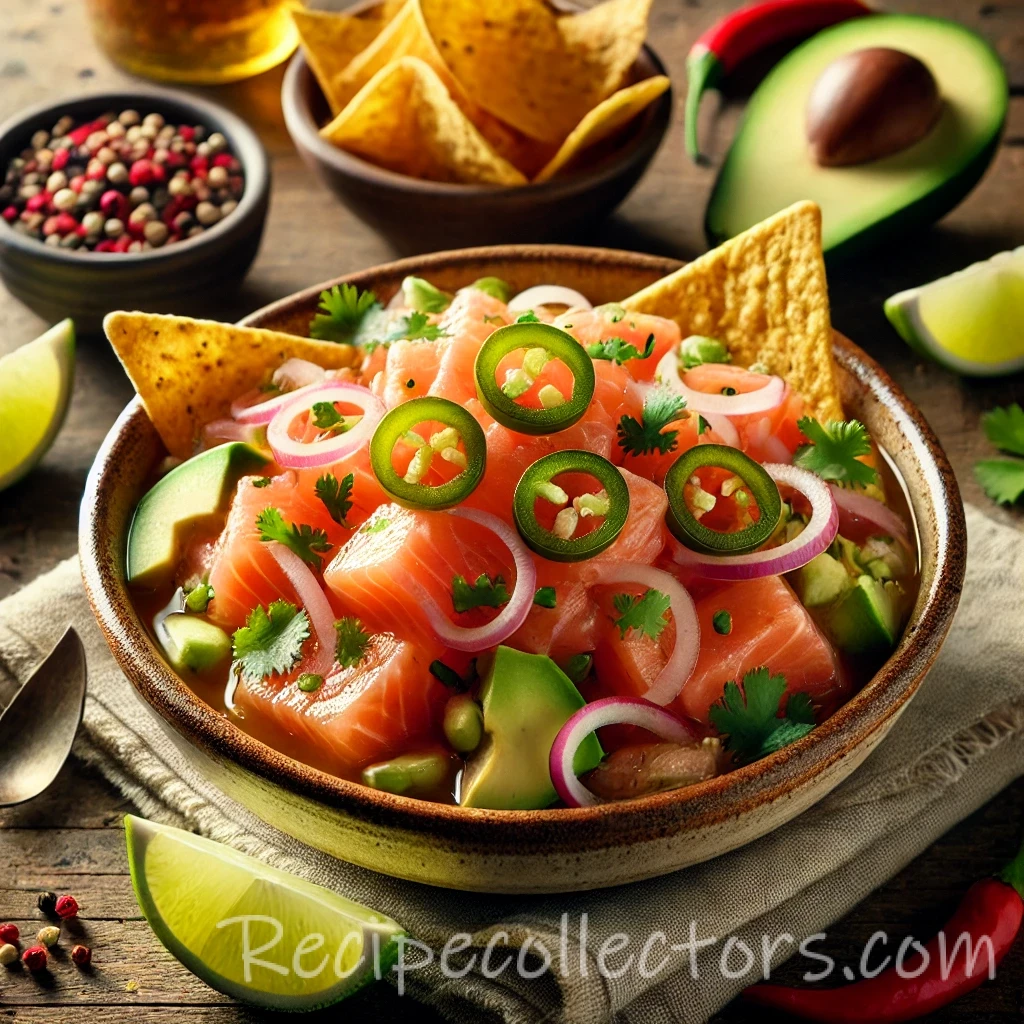
Place the salmon in a non-metallic bowl and cover with the lime juice.
Cover and leave to marinate in the refrigerator for 25 minutes.
When ready to serve, drain the salmon, add the spring onions, celery and coriander and mix well.
Garnish with the watercress and serve.
For hot-smoked salmon salad, blanch 200 g (7 oz) trimmed asparagus in a saucepan of boiling water for 1–2 minutes, then drain and refresh under cold running water.
Whisk together 3 tablespoons extra virgin olive oil, 1 tablespoon lime juice, 1 teaspoon gluten-free wholegrain mustard, ½ teaspoon clear honey and 1 deseeded and diced red chilli in a small bowl.
In a large bowl, toss together 400 g (13 oz) flaked hot-smoked salmon, 4 sliced spring onions, a small handful of coriander leaves, 100 g (3½ oz) sliced radishes, 250 g (8 oz) mixed salad leaves, 12 halved baby plum tomatoes, the cooked asparagus and the salad dressing.
Divide between 4 plates and serve immediately with lime wedges.
Season the rice to taste with the sushi rice seasoning.
Place 2 of the seaweed sheets onto a board.
Spread a quarter of the rice over each, cover with the smoked salmon, then the cucumber.
Spoon over the remaining rice, then top with the other seaweed sheets.
Press the sushi down well so the layers stick together.
Cut the sushi into 4 triangles and serve with soy sauce and wasabi.
Notes & Wine Advice
Serving Tip:Serve immediately with gluten-free soy sauce and wasabi.Wine Advice:Pair with a dry sake or a crisp, dry white wine like Pinot Grigio to complement the flavors.
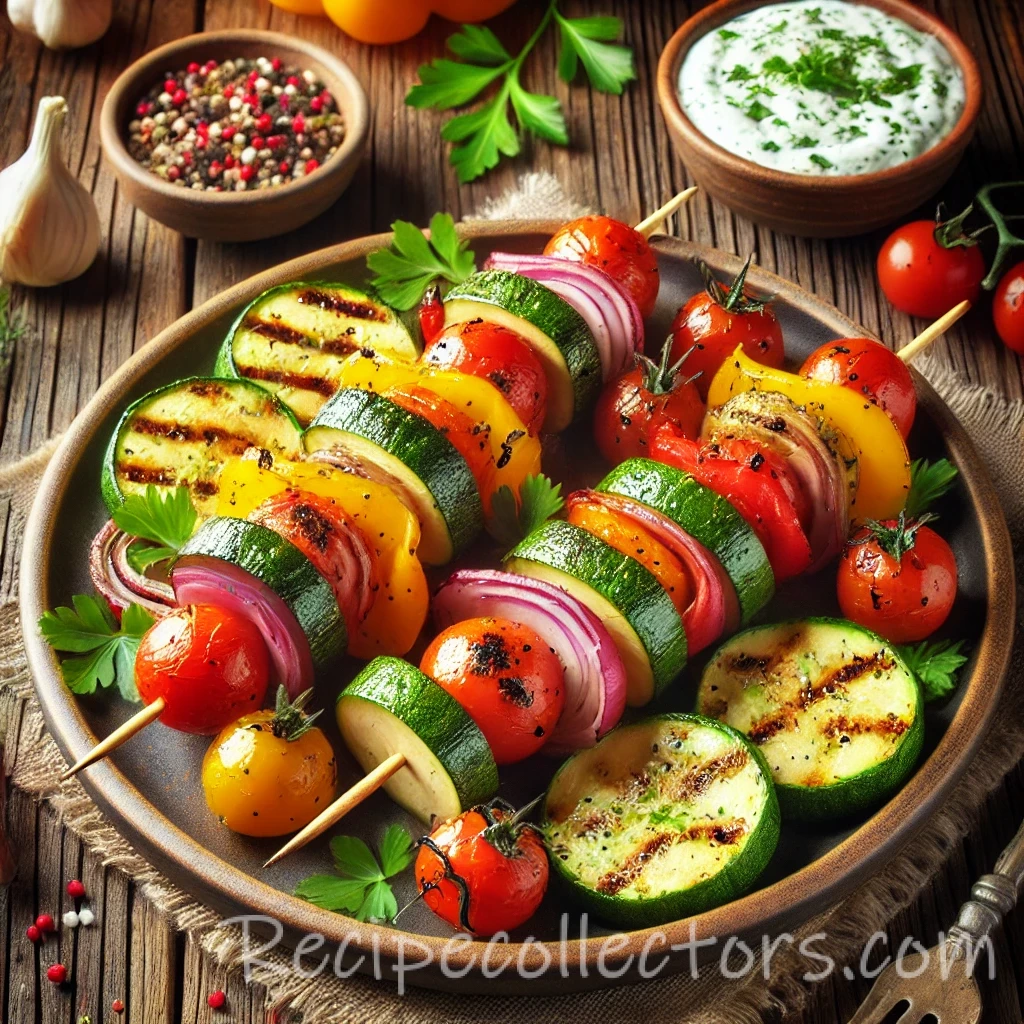
Thread the vegetables alternately on to 8 bamboo skewers that have been presoaked in water for 10 minutes to prevent burning.
Brush the vegetables with ½ tablespoon of the oil and season well with salt and pepper.
Cook the kebabs under a preheated hot grill or on a barbecue for 12–15 minutes, turning frequently, until tender.
Meanwhile, make the dipping sauce.
Mix together the remaining oil, vinegar and herbs in a small bowl.
Serve the vegetable kebabs with the dipping sauce.
For quick vegetable & herb soup, heat 1 tablespoon olive oil in a saucepan over a medium heat, add 1 large chopped onion, 2 sliced garlic cloves, 3 sliced celery sticks and 300 g (10 oz) finely diced butternut squash and cook for 2–3 minutes.
Pour in a 400 g (13 oz) can chopped tomatoes and 600 ml (1 pint) hot gluten-free vegetable stock and bring to the boil.
Simmer for 7–8 minutes, then stir in 2 tablespoons chopped parsley.
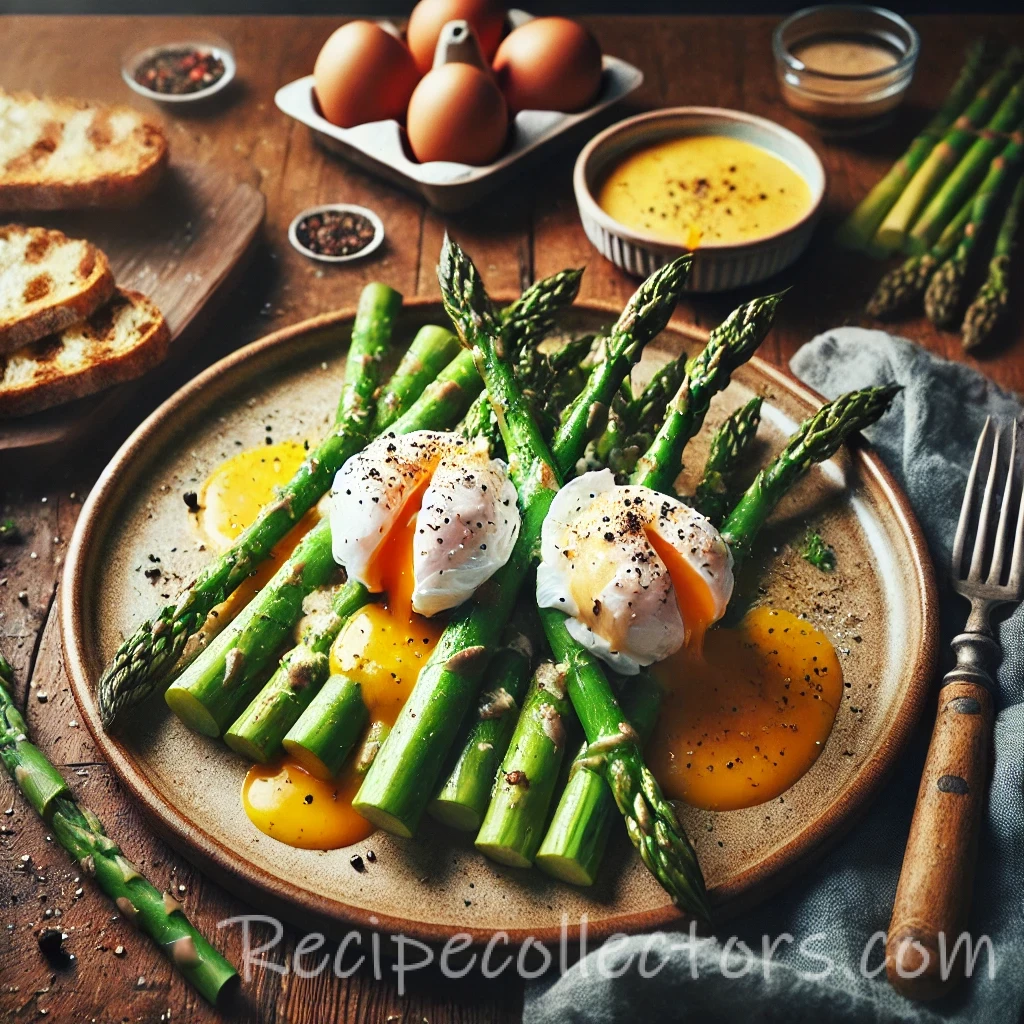
Bring a saucepan of water to a gentle simmer and stir with a large spoon to create a swirl.
Break 2 eggs into the water and cook for 3–4 minutes.
Remove with a slotted spoon and keep warm.
Repeat with the remaining eggs.
Meanwhile, snap the woody ends off the asparagus spears and discard.
Heat a griddle pan until very hot and sprinkle it with the oil, then add the asparagus and cook, turning frequently, until slightly charred and just tender.
Divide the asparagus on to 4 plates and top with the poached eggs.
Sprinkle over the Parmesan shavings and serve.
For asparagus omelette, heat the oil in a frying pan, add 6 trimmed and chopped asparagus spears, 2 sliced spring onions and 3–4 sliced chestnut mushrooms and cook for 5–6 minutes until softened.
Whisk together 5 eggs and 4 tablespoons semi-skimmed milk in a jug, then pour into the pan, tipping the pan and moving the egg with a spatula to ensure it cooks evenly.
Sprinkle with 25 g (1 oz) grated Parmesan, then place under a preheated hot grill for 1–2 minutes until golden.
Cut into quarters and serve with a green salad and new potatoes, if liked
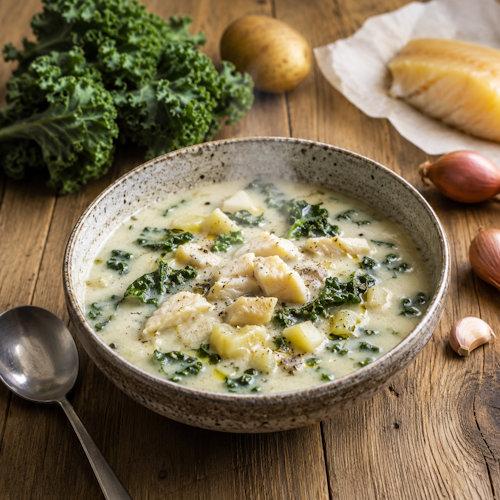
Smoked Haddock Kale Soup combines tender smoked fish, potatoes, shredded kale, and unsweetened soya milk in a creamy dairy-free broth. This warming one-pot soup makes a satisfying lunch or family dinner.
Heat the extra-virgin olive oil in a large saucepan over medium heat.
Add the diced shallots and crushed garlic.
Cook for 3 to 4 minutes until softened without browning.
Add the diced potato, unsweetened soya milk, and water.
Season with the ground black pepper.
Bring the mixture to a gentle boil.
Reduce the heat and simmer for 5 to 6 minutes.
Add the Kale and Haddock
Stir the shredded kale into the soup.
Simmer for 10 to 12 minutes until the potato and kale are tender.
Add the chopped smoked haddock.
Simmer gently for approximately 2 minutes until the haddock is opaque and cooked through.
Taste the soup before adding the kosher salt because smoked haddock is naturally salty.
Divide the Smoked Haddock Kale Soup among four bowls.
Serve immediately.
Notes & Wine Advice
Serving Suggestions
Serve the soup immediately with gluten-free bread, oatcakes, or a simple green salad. Its potatoes, kale, and smoked haddock make it substantial enough to serve as a complete lunch or light family dinner.
Recipe Notes
Check the smoked haddock carefully for bones after removing the skin. Keep the soup at a gentle simmer after adding the soya milk to prevent it from separating. Add salt only after tasting because smoked haddock can contain a considerable amount of sodium.
Variations
Replace the kale with spinach, spring greens, or Swiss chard. Unsweetened oat milk can replace the soya milk when a soy-free version is required, provided a certified gluten-free product is selected. Add sweetcorn, peas, or leeks for extra vegetables.
Storage
Cool leftovers promptly and refrigerate them in an airtight container for up to two days. Reheat the soup gently until thoroughly hot without boiling it aggressively. Freezing is not recommended because the potato and soya milk may develop a grainy texture after thawing.
Wine Advice
A crisp Sauvignon Blanc balances the smoky haddock and creamy broth. An unoaked Chardonnay is a softer alternative that complements the potatoes and fish without overpowering the kale.
Smoked Haddock Kale Soup combines tender fish, potatoes, leafy kale, and unsweetened soya milk in a creamy dairy-free broth. The smoked haddock provides a rich savoury flavour, while the potatoes thicken the soup naturally. Kale adds colour, texture, and freshness, making this a satisfying lunch or family dinner.
This straightforward one-pot recipe is particularly suitable for colder days. It has the comforting consistency of a creamy fish chowder but does not require cream, butter, or flour. The soya milk keeps the broth light while softening the stronger flavour of the smoked fish.
Choosing Smoked Haddock
Smoked haddock is available naturally coloured or dyed yellow. Either variety can be used because the colour does not significantly affect the cooking method. Choose firm fillets with a clean smoky aroma and no dry or discoloured areas.
Remove the skin and carefully check the fish for bones before cutting it into bite-sized pieces. Smoked haddock is naturally salty, so avoid adding much salt at the beginning. Taste the finished soup first and season only when necessary.
Preparing the Kale
Curly kale and Tuscan kale are both suitable. Remove the thick central stems because they can remain tough even after simmering. Wash the leaves thoroughly, dry them, and shred them into manageable pieces before adding them to the saucepan.
Kale requires more cooking than delicate spinach, so it is added before the fish. Simmering it with the potato allows the leaves to soften while retaining some texture. Spinach can replace the kale, but it should be added during the final few minutes of cooking.
Creating a Creamy Dairy-Free Broth
Unsweetened soya milk creates a smooth broth without dairy products. Always select an unflavoured variety because sweetened or vanilla-flavoured milk is unsuitable for savoury soup. Keep the heat gentle after adding the milk to reduce the chance of separation.
The diced potato releases starch as it cooks and helps thicken the liquid naturally. Cut it into small, evenly sized cubes so it becomes tender within the stated cooking time. For another comforting potato dish, serve the soup alongside a small portion of our Creamy Potato Squash Mash.
Cooking the Fish Correctly
Add the chopped haddock only after the potato and kale are tender. Small pieces need approximately two minutes at a gentle simmer. The fish is ready when it becomes opaque and flakes easily. Cooking it for too long can make its texture dry and firm.
Stir carefully after adding the haddock so the pieces remain intact. Avoid bringing the soup to a vigorous boil. Gentle cooking protects both the fish and the smooth consistency of the soya milk broth.
Serving Ideas
Serve the smoked fish and kale soup immediately in warmed bowls. Gluten-free bread, oatcakes, or a simple salad make suitable accompaniments. Our Zesty Marinated Vegetables provide a fresh contrast to the smoky, creamy flavours.
Garnish each bowl with chopped parsley, chives, black pepper, or a small drizzle of olive oil. A squeeze of lemon can brighten the fish without overpowering it. Sweetcorn, peas, or sliced leeks can be added when a more substantial soup is wanted.
Storage and Food Safety
Cool leftover Smoked Haddock Kale Soup promptly and transfer it to a covered container. Refrigerate it for up to two days. Reheat it gently in a saucepan until thoroughly hot, stirring occasionally without breaking up the fish.
Freezing is not recommended because the potato and soya milk may become grainy after thawing. Follow current FDA safe food-handling guidance when purchasing, storing, cooking, cooling, and reheating fish.
With its smoky haddock, tender kale, soft potatoes, and light dairy-free broth, Smoked Haddock Kale Soup delivers plenty of flavour in one warming bowl.
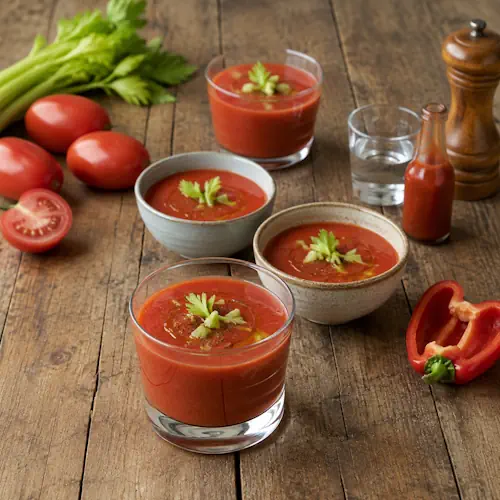
Chilled Bloody Mary Soup transforms the classic cocktail into a smooth tomato, red pepper, and celery soup. Vodka, Worcestershire sauce, and Tabasco provide its familiar savoury flavour and gentle heat.
Heat 2 teaspoons of extra-virgin olive oil in a large saucepan over medium heat.
Add the chopped onion and cook for 5 minutes until softened but not browned.
Add the red bell pepper, sliced celery, and chopped tomatoes.
Cook for another 5 minutes, stirring occasionally.
Pour in the gluten-free vegetable stock.
Add the granulated sugar, Worcestershire sauce, tomato purée, kosher salt, and ground black pepper.
Bring the soup to a boil.
Cover the saucepan and reduce the heat.
Simmer for 15 minutes.
Blend and Chill
Remove the saucepan from the heat.
Allow the soup to cool slightly.
Blend the soup in batches until completely smooth.
Pass the soup through a fine-mesh sieve for a finer consistency when desired.
Return the soup to the saucepan.
Stir in the vodka and Tabasco sauce.
Taste and adjust the seasoning when necessary.
Transfer the soup to a covered container.
Refrigerate for at least 2 hours until thoroughly chilled.
Serve the Soup
Stir the chilled soup before serving.
Divide it among four small glasses or soup bowls.
Garnish each serving with a small celery stalk.
Drizzle with the remaining extra-virgin olive oil.
Finish with coarsely ground black pepper.
Serve the Chilled Bloody Mary Soup cold.
Notes & Wine Advice
Serving Suggestions
Serve the soup thoroughly chilled in small glasses as an appetizer or in bowls as a light starter. Garnish it with celery leaves, diced cucumber, fresh basil, or a thin slice of lemon.
Recipe Notes
Use gluten-free vegetable stock and Worcestershire sauce when preparing the recipe for a gluten-free diet. Add the Tabasco gradually because its heat can intensify while the soup chills. Straining is optional but produces a smoother finish.
Alcohol-Free Variation
Omit the vodka to create a Virgin Mary soup. Add one tablespoon of basil pesto or sun-dried tomato paste for extra depth. Check that the pesto is suitable for the required diet because traditional pesto contains dairy and nuts.
Storage
Store the chilled soup in a covered container in the refrigerator and consume it within three days. Stir thoroughly before serving because some separation may occur. Freezing is possible before adding the vodka, although the texture may change slightly after thawing.
Wine Advice
A crisp Sauvignon Blanc complements the tomatoes, celery, and gentle chilli heat. A dry rosé is another suitable choice for a summer lunch or festive appetizer.
Chilled Bloody Mary Soup transforms the familiar cocktail into a smooth and savoury appetizer. Plum tomatoes, red pepper, celery, Worcestershire sauce, vodka, and Tabasco create the recognisable balance of tomato, spice, acidity, and gentle heat. Serve it in small glasses for a party or in bowls as a refreshing summer starter.
The vegetables are cooked before blending, which develops a deeper flavour than a completely raw tomato soup. Chilling allows the individual flavours to settle and blend. The vodka is stirred in after cooking, so its characteristic flavour remains noticeable in the finished soup.
Choosing the Tomatoes and Vegetables
Ripe plum tomatoes are ideal because they contain plenty of flesh and relatively few seeds. Select tomatoes with a deep red colour and a fragrant aroma. If fresh tomatoes are unavailable, drained canned plum tomatoes can be used, although the final consistency and flavour may differ slightly.
Red bell pepper adds natural sweetness and supports the soup’s bright colour. Celery supplies the savoury flavour associated with a Bloody Mary cocktail. Cut the vegetables into evenly sized pieces so they soften at approximately the same rate.
Building the Savoury Flavour
Worcestershire sauce provides acidity, salt, and umami. Traditional Worcestershire sauce usually contains anchovies, making this soup suitable for pescatarians but not vegetarians or vegans. Use a clearly labelled gluten-free product when preparing the recipe for someone who avoids gluten.
A small amount of sugar balances the natural acidity of the tomatoes without making the soup sweet. Tomato purée intensifies the tomato flavour, while Tabasco introduces heat and additional vinegar. Begin with a modest quantity of hot sauce and add more after the soup has chilled.
Blending and Straining
Allow the cooked mixture to cool slightly before blending. Process it in batches when using a countertop blender and avoid overfilling the jug. Hot liquid can expand quickly, so hold the lid securely with a folded kitchen towel and begin at a low speed.
Straining the blended soup is optional. Passing it through a fine-mesh sieve removes tomato skins, seeds, and vegetable fibres, producing a refined consistency suitable for serving in glasses. Leave it unstrained when you prefer a thicker, more rustic tomato soup.
Serving Ideas
Serve the chilled tomato vodka soup in small glasses as an amuse or appetizer. For a light lunch, divide it among bowls and add celery leaves, diced cucumber, fresh basil, or finely chopped red pepper. A drizzle of olive oil gives the surface an attractive finish.
Pair it with our Zesty Marinated Vegetables for a colourful summer menu. It also works well before a serving of Creamy Avocado Potato Salad. Add toasted bread or savoury crackers when serving the soup as a light meal.
Preparing an Alcohol-Free Version
For Virgin Mary soup, omit the vodka and add a little extra vegetable stock or tomato juice. Sun-dried tomato paste, fresh basil, or dairy-free pesto can provide additional depth. Check the ingredients carefully because traditional pesto commonly contains Parmesan cheese and nuts.
The alcohol-free version is suitable for children and occasions where alcohol is unwanted. Keep the Tabasco mild or serve it separately so everyone can adjust the heat to personal preference.
Storage and Food Safety
Refrigerate Chilled Bloody Mary Soup for at least two hours before serving. Store it in a clean, covered container and consume it within three days. Stir thoroughly before dividing it among glasses or bowls because some separation can occur during chilling.
Do not leave the soup at room temperature for extended periods, particularly during summer parties. Follow current FDA safe food-handling guidance when cooling, refrigerating, and serving prepared foods.
Its bold tomato flavour, smooth texture, and spicy cocktail-inspired seasoning make Chilled Bloody Mary Soup a memorable cold starter for brunches, holidays, and parties.
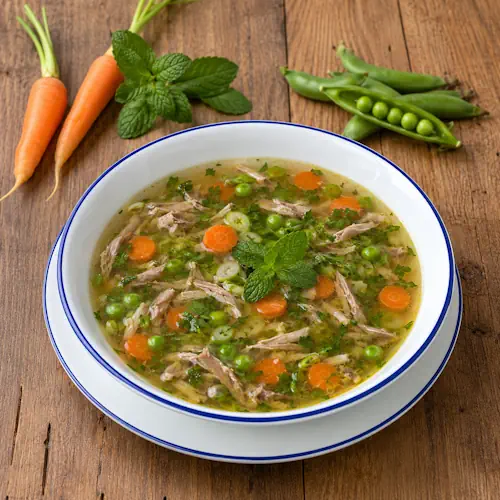
Minted Spring Lamb Soup combines tender shredded lamb with baby carrots, peas, spring onions, and fresh mint in a light vegetable broth. This quick gluten-free soup is ready in only 15 minutes.
Pour the gluten-free vegetable stock into a large saucepan.
Bring the stock to a gentle simmer over medium heat.
Add the sliced baby carrots.
Cook for 4 minutes.
Add the shredded lamb and frozen peas.
Cook for another 2 minutes until the lamb is hot and the vegetables are tender.
Stir in the sliced spring onions and chopped mint.
Season with kosher salt and black pepper.
Taste and adjust the seasoning when necessary.
Divide the soup among four bowls.
Serve immediately.
Notes & Wine Advice
Serving Suggestions
Serve the soup hot with gluten-free bread, warm dinner rolls, or roasted potatoes. A simple green salad makes a fresh accompaniment. The soup is particularly useful as a light lunch after an Easter or Sunday lamb dinner.
Recipe Notes
Use fully cooked lamb and shred it into small pieces before adding it to the soup. Add the lamb only during the final minutes so it heats through without becoming dry or tough. Taste the stock before adding salt because prepared vegetable stock can already contain a considerable amount.
Variations
Add diced potatoes, asparagus, spinach, celery, or broad beans. Vegetable stock may be replaced with gluten-free chicken or lamb stock for a richer broth. Parsley can replace part of the mint when a milder herbal flavour is preferred.
Storage and Reheating
Refrigerate cooled soup in a covered container for up to three days. Reheat it gently in a saucepan until steaming throughout. Avoid prolonged boiling because the cooked lamb can become firm and the peas may lose their bright colour.
Wine Advice
A fresh Sauvignon Blanc complements the mint, peas, and spring onions. A light Pinot Noir is a suitable red wine choice for the tender lamb and savoury broth.
Minted Spring Lamb Soup combines shredded cooked lamb with baby carrots, peas, spring onions, and fresh mint in a light vegetable broth. This spring lamb broth is ready in only 15 minutes and offers a practical way to transform leftover roasted lamb into a fresh lunch or light evening meal.
The combination of lamb and mint is familiar in British cooking, but this recipe uses the pairing in a lighter form. Instead of a thick stew or cream-based soup, the ingredients are gently heated in a clear broth. Sweet vegetables balance the richness of the meat, while mint provides a clean and aromatic finish.
Minted Spring Lamb Soup
Cooked lamb makes this recipe exceptionally quick. Remove any bones, excess fat, or tough connective tissue before shredding the meat into bite-sized pieces. Roast lamb shoulder and leg both work well, although their texture and fat content differ slightly.
Add the cooked lamb only after the carrots have begun to soften. It needs enough time to become thoroughly hot but should not simmer for an extended period. Long cooking can make previously roasted meat dry and stringy.
Preparing the Spring Vegetables
Baby carrots contribute sweetness, colour, and a light bite. Slice them thinly so they become tender during the short cooking time. Larger or thicker pieces will require several additional minutes before the lamb and peas can be added.
Frozen peas are convenient and retain their bright green colour when cooked briefly. They do not need to be thawed. Spring onions require even less cooking and are stirred in at the end so their mild onion flavour remains fresh.
Spring Lamb Broth
The quality of the stock has a strong influence on this spring lamb broth because there are relatively few ingredients. Choose a vegetable stock with a balanced savoury flavour and check that it is certified gluten-free when necessary.
Prepared stock can be high in sodium, so taste the finished soup before adding salt. Chicken or lamb stock can replace the vegetable stock when a deeper meat flavour is wanted. Both alternatives must also be checked carefully when preparing a strictly gluten-free meal.
Using Fresh Mint
Fresh mint gives the soup its distinctive spring character. Chop the leaves shortly before adding them because damaged mint quickly loses its bright colour. Stir most of the mint through the soup and reserve a small amount for garnishing the bowls.
Four tablespoons create a noticeable mint flavour. Use slightly less when working with an especially strong variety. Flat-leaf parsley can replace part of the mint without removing the fresh herbal quality entirely.
Serving Ideas and Variations
Serve the soup with gluten-free bread, dinner rolls, roasted potatoes, or a simple salad. Diced potatoes can also be cooked directly in the broth, although they will increase the cooking time. Asparagus, spinach, celery, broad beans, or green beans are suitable seasonal additions.
For another comforting one-pot meal with potatoes and vegetables, try our Peanut Coconut Potato Stew. It provides a completely vegan alternative with a thicker and richer sauce.
Storage and Food Safety
Cool leftover soup promptly and transfer it to a covered container. Refrigerate it for up to three days or freeze it for up to two months. Thaw frozen portions in the refrigerator before reheating them gently in a saucepan.
Cooked lamb should be reheated until steaming hot throughout. Avoid repeatedly cooling and reheating the same batch. Follow current FDA safe food-handling guidance when storing and reheating cooked meat.
Minted Spring Lamb Soup turns simple leftovers and seasonal vegetables into a colourful, nourishing meal with very little preparation.
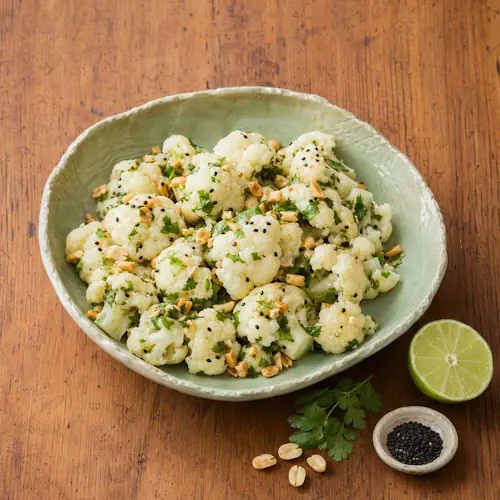
Lime Cauliflower Peanut Salad combines tender-crisp cauliflower with toasted mustard seeds, coriander, sesame, and crunchy peanuts. A fresh lime and honey dressing gives this quick salad a bright, tangy finish.
30gDry-Roasted Peanutsgluten-free and lightly crushed
For the Lime Dressing
¼cupFresh Lime Juice
½teaspoonClear Honey
1tablespoonExtra-Virgin Olive Oil
Instructions
For the Lime Dressing
Pour the lime juice into a small mixing bowl.
Add the honey and extra-virgin olive oil.
Whisk until thoroughly combined.
Stir in the chopped coriander.
For the Cauliflower Salad
Place the cauliflower florets in a steamer.
Steam for 3 minutes until just tender but still firm.
Transfer the cauliflower to a serving bowl.
Heat a dry nonstick frying pan over medium heat.
Add the mustard seeds.
Toast until the mustard seeds begin to pop.
Remove the pan from the heat.
Pour the lime dressing over the warm cauliflower.
Add the toasted mustard seeds, black sesame seeds, and crushed peanuts.
Toss gently until evenly combined.
Serve warm or at room temperature.
Notes & Wine Advice
Serving Suggestions
Serve the salad warm or at room temperature alongside curry, grilled chicken, baked fish, rice, or flatbread. It can also be enjoyed as a light lunch with chickpeas, lentils, or another source of protein.
Recipe Notes
Steam the cauliflower for only 3 minutes so it retains some bite. Overcooked cauliflower can release excess moisture and break apart while the salad is tossed. Toast the mustard seeds carefully and remove the pan from the heat once they begin to pop.
Variations
Add chickpeas, sliced red onion, grated carrot, cucumber, or pomegranate seeds. Cashews or almonds can replace the peanuts. For a vegan version, replace the honey with maple syrup or agave syrup.
Allergen Advice
This salad contains peanuts, sesame, and mustard. Use certified gluten-free dry-roasted peanuts when required, as flavoured or seasoned varieties may contain gluten or traces of other allergens.
Wine Advice
A crisp Sauvignon Blanc complements the fresh lime and coriander. A dry Riesling works particularly well with the toasted mustard seeds and nutty flavours.
Lime Cauliflower Peanut Salad combines lightly steamed cauliflower with coriander, toasted mustard seeds, black sesame, and crunchy peanuts. This Indian cauliflower salad receives its fresh character from a simple dressing of lime juice, honey, and olive oil, creating a quick side dish with contrasting flavours and textures.
The entire recipe takes approximately 10 minutes to prepare. The cauliflower requires only brief steaming, while the dressing and toasted seeds can be prepared at the same time. It can be served warm, at room temperature, or lightly chilled, making it useful for lunches, picnics, and family meals.
Lime Cauliflower Peanut Salad
Cut the cauliflower into florets of approximately the same size so they steam evenly. Large pieces may remain raw in the centre, while very small florets can become soft before the rest are ready. Rinse them thoroughly and allow excess water to drain before placing them in the steamer.
Three minutes of steaming softens the cauliflower slightly without removing its natural bite. The florets should be easy to pierce but remain firm enough to hold their shape. Transfer them directly to the serving bowl so the warm vegetables can absorb the lime dressing.
Toasting the Mustard Seeds
Mustard seeds develop a deeper and nuttier flavour when heated. Place them in a dry nonstick pan without oil and warm them over medium heat. Shake the pan occasionally to prevent scorching.
Once the seeds begin to pop, remove the pan from the heat. They can jump from the pan, so keep a lid nearby if necessary. Burned mustard seeds taste bitter and should not be added to the salad.
Indian Cauliflower Salad
The dressing for this Indian cauliflower salad balances acidity, sweetness, and richness. Fresh lime juice provides brightness, while a small amount of honey softens its sharp edge. Olive oil helps the dressing coat the textured surface of the florets.
Chopped coriander reinforces the fresh flavour. Add it to the dressing before pouring everything over the warm cauliflower. If coriander is unavailable or disliked, flat-leaf parsley offers a milder alternative, although it changes the Indian-inspired character.
Adding Crunch and Texture
Peanuts contribute protein, richness, and a satisfying crunch. Crush them lightly rather than grinding them into fine crumbs so their texture remains noticeable. Black sesame seeds add colour and a subtle toasted flavour.
Add both ingredients shortly before serving for the firmest texture. When preparing the salad ahead, store the peanuts and sesame seeds separately and fold them through at the last moment. Cashews or almonds can replace the peanuts when preferred, but the salad will still contain nuts.
Serving Ideas and Variations
Serve the salad alongside curry, grilled meat, baked fish, rice, or flatbread. Chickpeas or cooked lentils can turn it into a more substantial vegetarian lunch. For another meal featuring bold Asian flavours and crunchy vegetables, try our Szechuan Tofu Stir-Fry.
Pomegranate seeds add colour and sweetness, while sliced red onion provides sharpness. Grated carrot, cucumber, spinach, or green beans can also be included. Replace the honey with maple syrup or agave when preparing a vegan version.
Storage and Food Safety
Store leftovers in a covered container in the refrigerator for up to two days. The cauliflower remains safe beyond its crispest stage, but the peanuts gradually soften after contact with the dressing. Let chilled salad stand briefly at room temperature before serving.
Wash the cauliflower, coriander, and other fresh produce thoroughly before preparation. Follow current FDA safe food-handling guidance when washing, preparing, and refrigerating vegetables. Lime Cauliflower Peanut Salad offers a quick combination of tender vegetables, fresh herbs, sharp citrus, and toasted crunch.
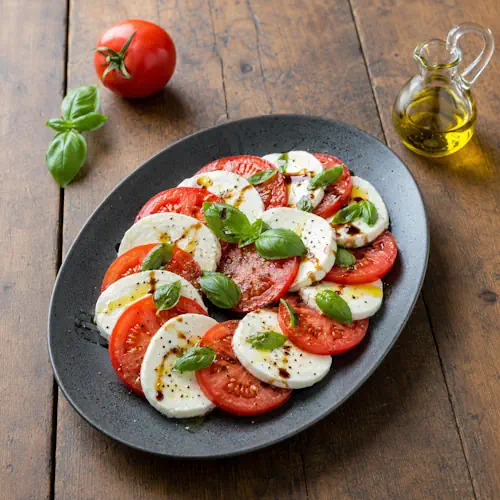
Classic Italian Caprese Salad combines ripe beef tomatoes, fresh mozzarella, basil, extra-virgin olive oil, and balsamic vinegar. This colourful no-cook salad is ready in only 10 minutes.
Arrange alternating slices of tomato and mozzarella on four serving plates.
Scatter the fresh basil leaves over the tomatoes and mozzarella.
Drizzle each portion with balsamic vinegar.
Drizzle with extra-virgin olive oil.
Season with freshly ground black pepper.
Serve immediately.
Notes & Wine Advice
Serving Suggestions
Serve the Caprese salad immediately as an appetizer, light lunch, or side dish. It pairs well with crusty Italian bread, grilled chicken, fish, pasta, or roasted vegetables. Add a small bowl of olives for a simple Italian-style lunch.
Recipe Notes
Use ripe tomatoes at room temperature for the best flavour. Drain the mozzarella thoroughly before slicing so excess liquid does not collect on the plates. Add the basil shortly before serving because cut or bruised leaves darken quickly.
Variations
Use cherry tomatoes and mozzarella pearls for individual portions or party skewers. Add avocado, arugula, peaches, roasted peppers, or prosciutto. Replace the balsamic vinegar with balsamic glaze for a sweeter and more concentrated finish.
Make-Ahead Tips
Slice the tomatoes and mozzarella shortly before serving and refrigerate them separately. Assemble and dress the salad at the last moment. Once dressed, the tomatoes release moisture and the basil gradually loses its fresh appearance.
Wine Advice
A crisp Pinot Grigio complements the fresh tomatoes, basil, and mozzarella. A dry Sauvignon Blanc provides enough acidity to balance the olive oil and cheese.
Classic Italian Caprese Salad is a simple combination of ripe tomatoes, fresh mozzarella, basil, extra-virgin olive oil, and balsamic vinegar. This traditional Caprese salad relies on fresh ingredients rather than complicated preparation, making it an ideal appetizer, light lunch, or summer side dish.
The salad is associated with the Italian island of Capri and reflects the colours of the Italian flag. Red tomatoes, white mozzarella, and green basil form a striking presentation without requiring elaborate garnishes. Although modern versions often include balsamic vinegar, the essential character comes from tomatoes, mozzarella, basil, and good olive oil.
Classic Italian Caprese Salad
Tomatoes determine much of the final flavour, so choose large specimens that are fragrant, fully coloured, and slightly yielding when gently pressed. Beef tomatoes are especially useful because their broad slices create attractive layers with the mozzarella. Keep them at room temperature, since refrigeration can reduce their aroma and affect their texture.
Cut the tomatoes into evenly thick slices using a sharp knife. Very thin slices may collapse, while extremely thick pieces can make the salad awkward to eat. Arrange them directly on the serving plates to avoid transferring the completed layers later.
Choosing Fresh Mozzarella
Fresh mozzarella has a mild, milky flavour that balances the acidity of the tomatoes. Low-fat mozzarella may be used as given in this recipe, although full-fat mozzarella provides a softer texture and richer taste. Drain each ball thoroughly and gently pat it dry before slicing.
Try to cut the mozzarella to approximately the same thickness as the tomatoes. Alternating the slices creates the familiar Caprese presentation and distributes the ingredients evenly. Using one mozzarella ball for each person makes four generous portions.
Traditional Caprese Salad
Fresh basil supplies the salad’s distinctive herbal aroma. Choose bright green leaves without dark spots or wilted edges. Small leaves can be used whole, while larger ones may be torn gently by hand. Avoid chopping them far in advance because damaged basil quickly discolours.
Arrange the basil over and between the tomato and mozzarella slices. Finish with extra-virgin olive oil, balsamic vinegar, and freshly ground black pepper. The salad does not include added salt because mozzarella can already contain a considerable amount, but a light pinch may be added after tasting.
Serving Ideas and Variations
Serve the salad immediately after dressing it. Crusty bread is useful for soaking up the tomato juices, olive oil, and vinegar left on the plate. The salad also complements grilled chicken, salmon, pasta, or vegetable dishes.
For smaller portions, use cherry tomatoes and mozzarella pearls. Thread them onto skewers with basil leaves for a party appetizer. Avocado adds creaminess, while peaches create a sweeter summer variation. For a more substantial potato-based version of these flavours, try our Creamy Caprese Potato Salad.
Storage and Food Safety
Caprese salad is best eaten immediately. If preparation must begin ahead, store the sliced tomatoes and mozzarella separately in covered containers. Assemble the plates just before serving and add the basil, oil, and vinegar at the last moment.
Refrigerate mozzarella until it is needed and return leftovers to the refrigerator promptly. Dressed tomatoes become increasingly watery during storage, so consume leftovers within one day. Follow current FDA safe food-handling guidance when storing and serving fresh cheese and cut produce.
Classic Italian Caprese Salad proves that ripe seasonal ingredients need very little preparation to create a colourful and satisfying dish.
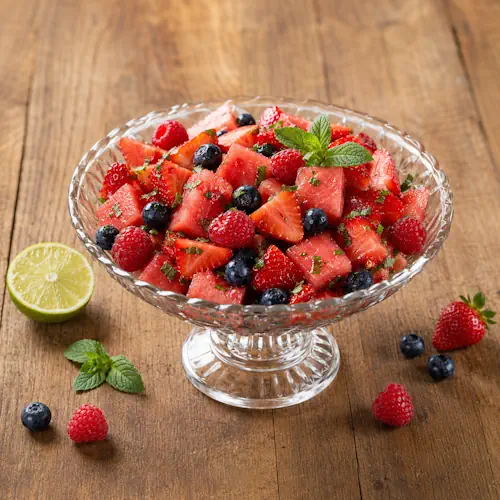
Mojito Berry Fruit Salad combines watermelon, strawberries, raspberries, and blueberries with fresh mint and a sweet lime dressing. This colourful no-bake salad is refreshing, naturally dairy-free, and perfect for summer gatherings.
Pour the fresh lime juice into a small mixing bowl.
Add the powdered sugar.
Whisk until the sugar has completely dissolved.
For the Fruit Salad
Place the watermelon, strawberries, raspberries, blueberries, and chopped mint in a large mixing bowl.
Pour the lime dressing evenly over the fruit.
Fold everything together gently with a silicone spatula.
Cover the bowl and refrigerate the salad for at least 15 minutes.
Toss gently once more before serving.
Serve chilled.
Notes & Wine Advice
Serving Suggestions
Serve the fruit salad well chilled as a refreshing dessert or side dish at a barbecue, picnic, brunch, or summer party. Spoon it into individual glasses or small bowls and garnish each portion with a fresh mint leaf and lime wedge.
Recipe Notes
Measure ¼ cup of firmly packed mint leaves before chopping them. Measuring the mint after chopping would produce too much and could overpower the fruit. Fold the delicate berries through the salad carefully so the raspberries retain their shape.
Variations
Add pineapple, mango, kiwi, seedless grapes, peaches, or blackberries. Replace the powdered sugar with honey, maple syrup, or agave syrup. Adults can add a small splash of white rum for a traditional mojito-inspired flavour, although the salad will no longer be alcohol-free.
Make-Ahead and Storage
The salad is best prepared between 15 minutes and two hours before serving. Longer storage causes the watermelon and berries to release more liquid and become softer. Refrigerate leftovers in a covered container and use them within one day.
Wine Advice
A lightly sparkling Moscato d’Asti complements the sweet berries and fresh mint. A chilled Prosecco provides a drier and more refreshing pairing for a summer gathering.
Mojito Berry Fruit Salad is a colourful mixture of watermelon, strawberries, raspberries, and blueberries dressed with lime juice, powdered sugar, and fresh mint. This lime mint fruit salad borrows the refreshing flavours of a Cuban mojito but contains no alcohol, making it suitable for children, family gatherings, picnics, and warm-weather celebrations.
The combination works because the fruits provide different textures and levels of sweetness. Watermelon is crisp and juicy, strawberries are firm and fragrant, raspberries add a delicate tartness, and blueberries provide a pleasant bite. Lime brightens the natural fruit flavours, while mint gives the salad its cooling mojito character.
Mojito Berry Fruit Salad
Choose a ripe watermelon that feels heavy for its size and has a creamy yellow field spot on its skin. Cut the flesh into small, evenly sized pieces that are easy to eat with a spoon. Remove excess juice from the cutting board before transferring the watermelon to the bowl so the dressing does not become unnecessarily diluted.
Use strawberries that are red, fragrant, and firm enough to retain their shape after chopping. Raspberries are the most delicate ingredient, so inspect them carefully and avoid crushing them during washing or mixing. Blueberries require very little preparation beyond rinsing and drying them thoroughly.
Preparing the Lime Dressing
The simple dressing consists of fresh lime juice and powdered sugar. Powdered sugar dissolves more easily than granulated sugar, producing a smooth dressing without a gritty texture. Whisk the two ingredients together until no visible sugar remains.
The amount of sugar can be adjusted slightly according to the sweetness of the fruit. Very ripe summer berries may need less, while tart fruit may benefit from the full quantity. Taste the dressing before adding it, but remember that its acidity becomes milder once mixed with the watermelon and berries.
Lime Mint Fruit Salad
Fresh mint gives this lime mint fruit salad its distinctive flavour. Measure the whole leaves while they are firmly packed and chop them afterward. Measuring ¼ cup of already chopped mint would introduce considerably more and could make the salad taste bitter or overly herbal.
Add the mint to the bowl with the prepared fruit, then pour the dressing over everything. Use a silicone spatula to lift and fold the ingredients rather than stirring them vigorously. This distributes the dressing without turning the raspberries into pulp.
Chilling and Serving
Refrigerating the finished salad for at least 15 minutes gives the lime, mint, and fruit juices time to combine. Avoid preparing it too far in advance because the sugar and lime draw moisture from the fruit. After several hours, the salad will become increasingly juicy and the berries will begin to soften.
Serve it in a large glass bowl or divide it among individual glasses. Lime wedges, mint sprigs, or a few whole berries make simple garnishes. For a summer dessert table with contrasting warm and cold fruit dishes, pair it with our Warm Spiced Red Wine Pears.
Storage and Food Safety
Keep the salad refrigerated until serving, especially during hot weather. Place the serving bowl over ice when it will remain on a buffet for an extended period. Refrigerate leftovers promptly in a covered container and consume them within one day for the best texture.
Wash the fruit under clean running water and use clean utensils and cutting boards during preparation. Follow current FDA safe food-handling guidance for washing, preparing, transporting, and storing fresh produce. Mojito Berry Fruit Salad is a simple way to serve colourful summer fruit with a bright and refreshing finish.
Manage Consent
To provide the best experiences, we use technologies like cookies to store and/or access device information. Consenting to these technologies will allow us to process data such as browsing behavior or unique IDs on this site. Not consenting or withdrawing consent, may adversely affect certain features and functions.
Functional
Always active
The technical storage or access is strictly necessary for the legitimate purpose of enabling the use of a specific service explicitly requested by the subscriber or user, or for the sole purpose of carrying out the transmission of a communication over an electronic communications network.
Preferences
The technical storage or access is necessary for the legitimate purpose of storing preferences that are not requested by the subscriber or user.
Statistics
The technical storage or access that is used exclusively for statistical purposes.The technical storage or access that is used exclusively for anonymous statistical purposes. Without a subpoena, voluntary compliance on the part of your Internet Service Provider, or additional records from a third party, information stored or retrieved for this purpose alone cannot usually be used to identify you.
Marketing
The technical storage or access is required to create user profiles to send advertising, or to track the user on a website or across several websites for similar marketing purposes.
To provide the best experiences, we use technologies like cookies to store and/or access device information. Consenting to these technologies will allow us to process data such as browsing behavior or unique IDs on this site. Not consenting or withdrawing consent, may adversely affect certain features and functions.
Functional
Always active
The technical storage or access is strictly necessary for the legitimate purpose of enabling the use of a specific service explicitly requested by the subscriber or user, or for the sole purpose of carrying out the transmission of a communication over an electronic communications network.
Preferences
The technical storage or access is necessary for the legitimate purpose of storing preferences that are not requested by the subscriber or user.
Statistics
The technical storage or access that is used exclusively for statistical purposes.The technical storage or access that is used exclusively for anonymous statistical purposes. Without a subpoena, voluntary compliance on the part of your Internet Service Provider, or additional records from a third party, information stored or retrieved for this purpose alone cannot usually be used to identify you.
Marketing
The technical storage or access is required to create user profiles to send advertising, or to track the user on a website or across several websites for similar marketing purposes.