
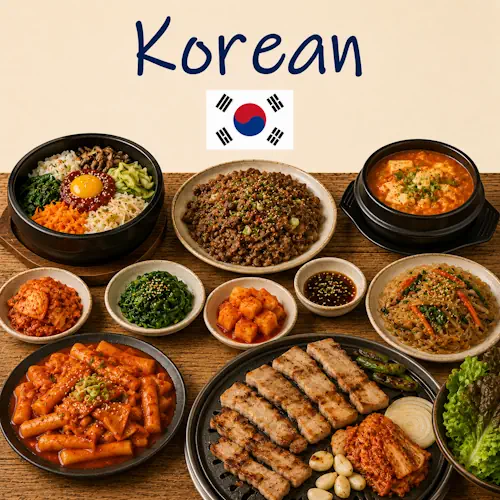
Korean Recipes showcase the bold flavors and rich culinary traditions of South Korea. Known for fermented ingredients, grilled meats, spicy seasonings, rice dishes, and colorful side dishes, Korean cooking combines balance, variety, and unforgettable flavors.
From Korean barbecue and bibimbap to kimchi, stews, and street food favorites, Korean recipes offer an authentic taste of one of Asia’s most exciting food cultures.

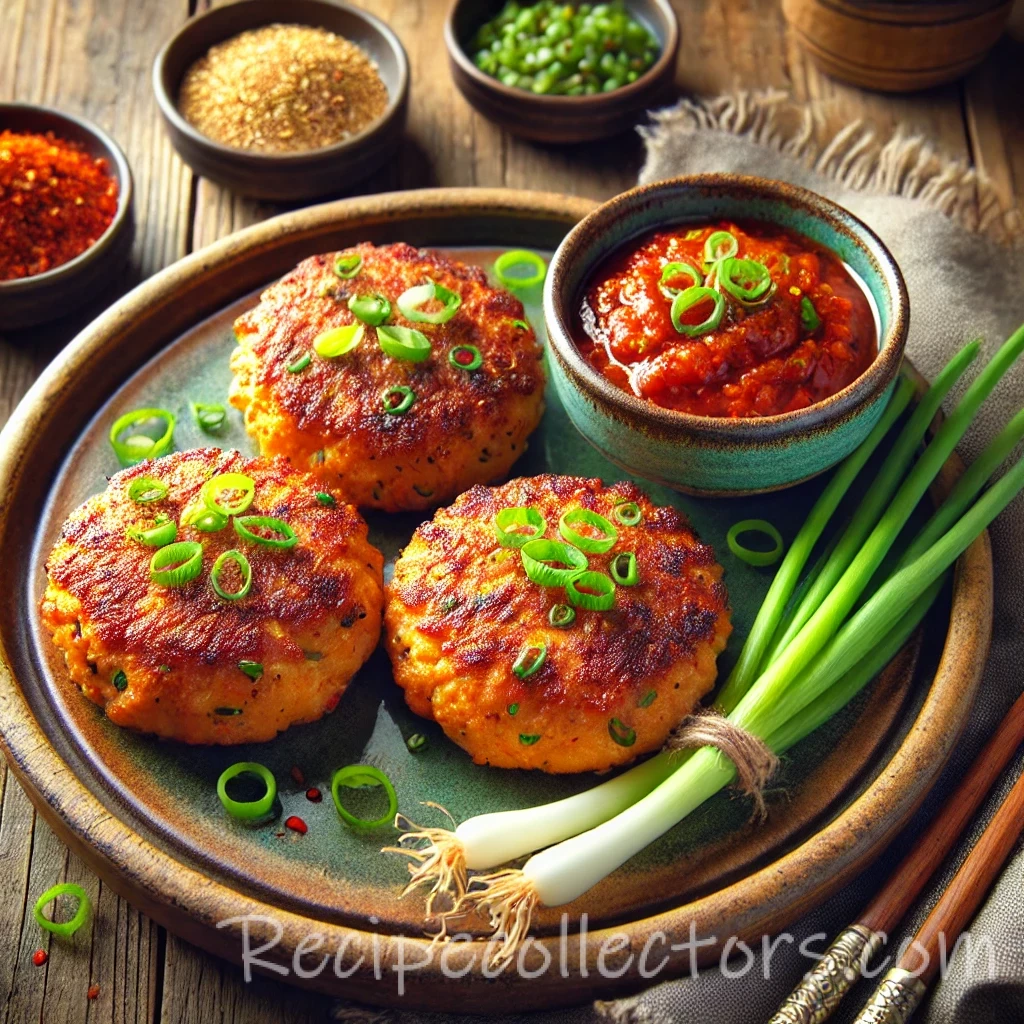

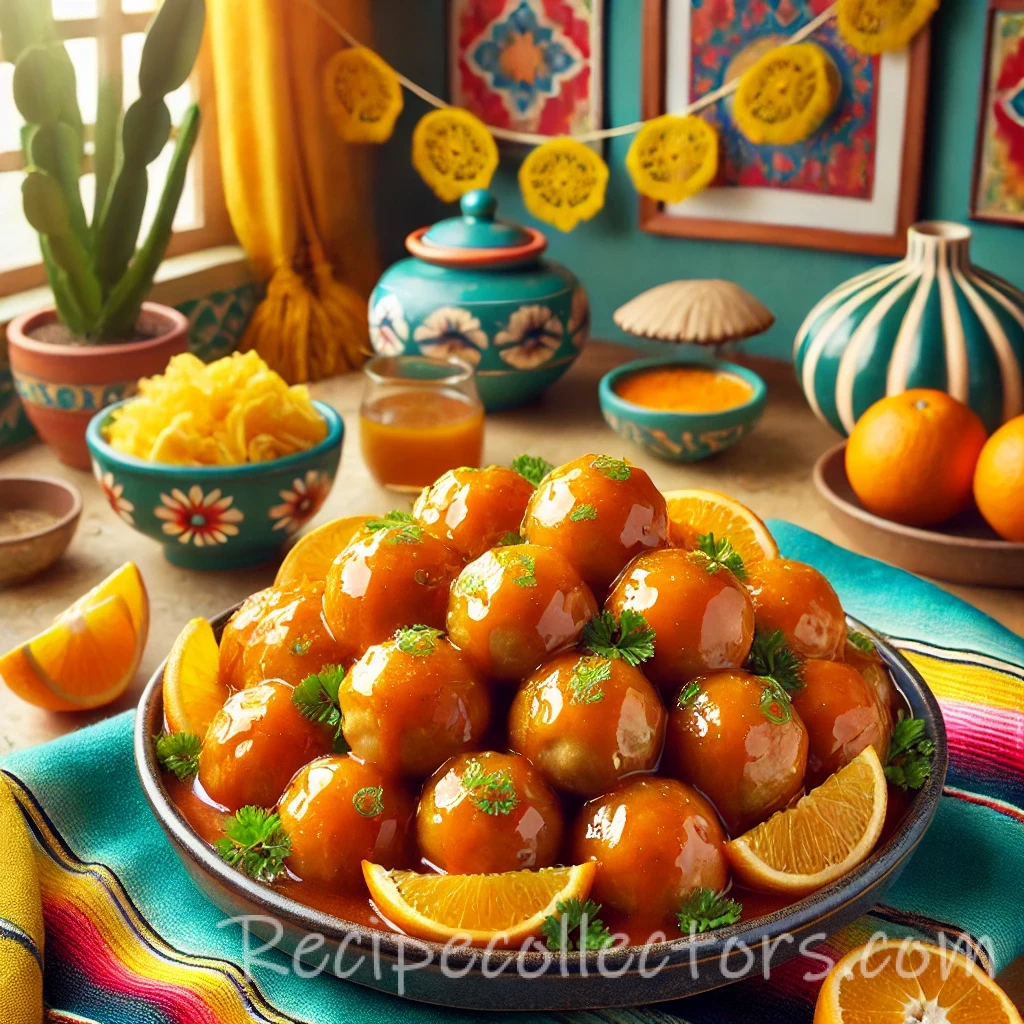
Traditional Food from Korea
Korean Recipes reflect centuries of culinary tradition shaped by seasonal ingredients, regional specialties, and communal dining. Home cooks often prepare meals using rice, vegetables, seafood, beef, pork, poultry, tofu, and fermented ingredients. Because balance plays an important role in Korean cooking, many meals combine different flavors, textures, and colors.
In addition, family traditions remain central to Korean food culture. As a result, many classic dishes continue to be enjoyed during everyday meals as well as special celebrations.
Korean Cuisine and Regional Favorites
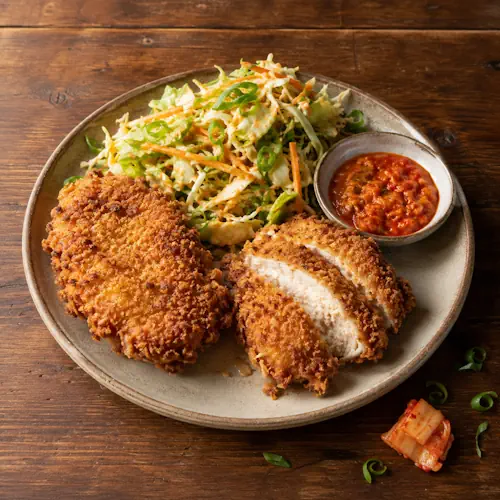
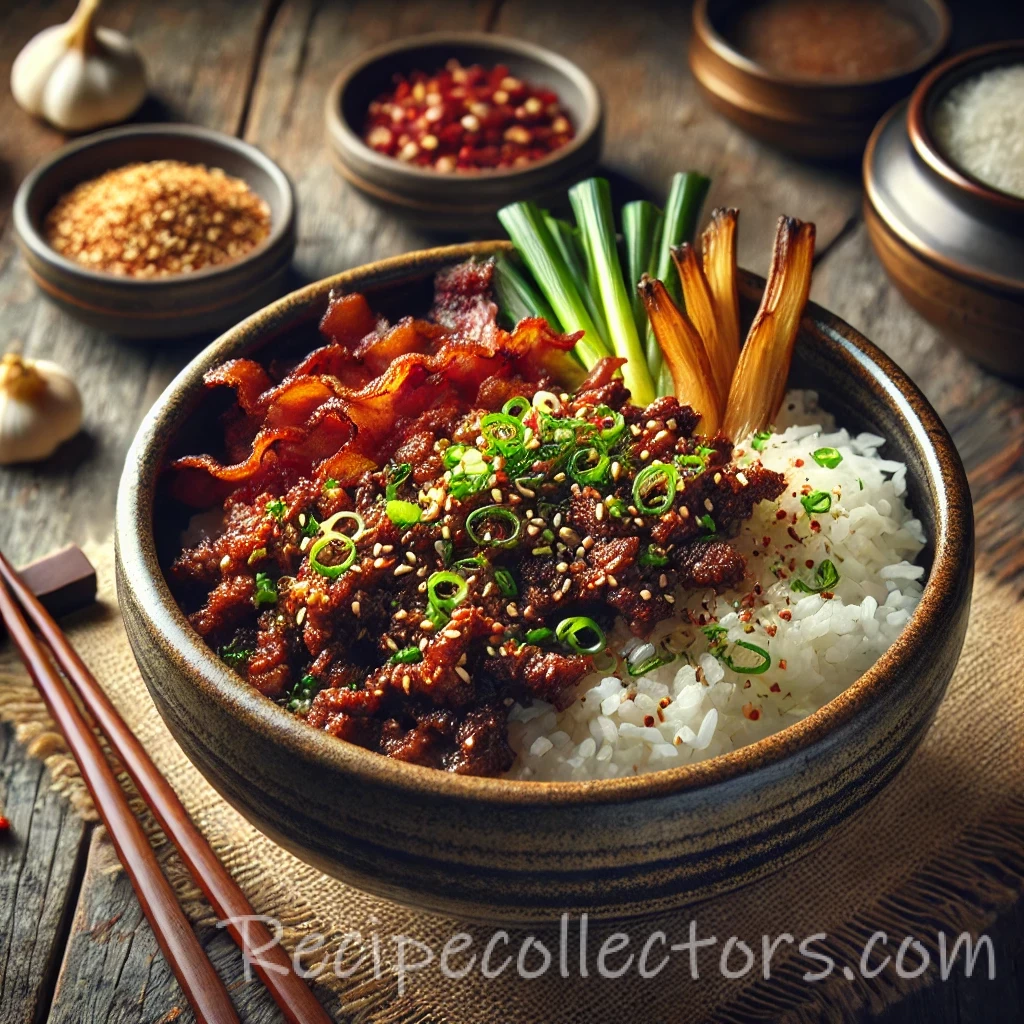
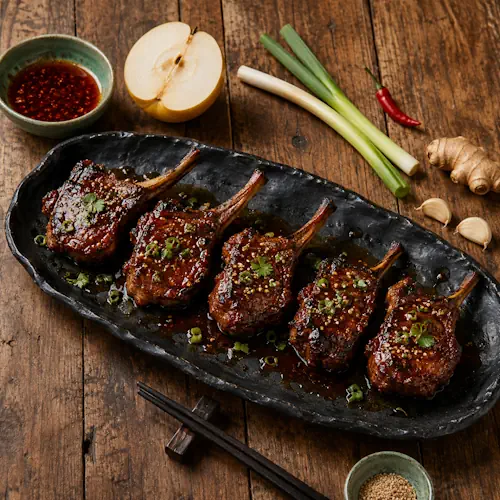
Korean Cuisine includes famous dishes such as bibimbap, bulgogi, kimchi, japchae, tteokbokki, galbi, kimchi stew, and Korean fried chicken. Furthermore, ingredients such as gochujang, sesame oil, garlic, ginger, soy sauce, and fermented vegetables create the distinctive flavors that define Korean cooking.
Many traditional meals include a variety of small side dishes known as banchan. Meanwhile, Korean barbecue remains one of the country’s most popular dining experiences. Consequently, Korean food offers both diversity and depth of flavor.
If you enjoy Asian cooking, explore our Japanese Recipes, Asian Recipes, and International Recipes collections for additional inspiration.
Cooking Korean Recipes at Home
Many home cooks enjoy Korean Recipes because they combine simple ingredients with bold flavors. For example, a traditional meal may include rice, grilled meats, vegetables, fermented side dishes, and spicy sauces. Moreover, many recipes adapt easily to modern kitchens while preserving their authentic character.
Today, chefs continue to celebrate Korean Cuisine while introducing innovative techniques and contemporary presentations. However, they still respect the traditions that define Korea’s food culture. Therefore, these dishes continue to gain popularity around the world.
Wine Pairing Suggestions
A fruity Zinfandel pairs beautifully with Korean barbecue, bulgogi, and spicy meat dishes. For seafood, bibimbap, and lighter Korean specialties, a crisp Sauvignon Blanc provides an excellent match.
For more information about Korea and its culture, visit Korea Tourism Organization.
Looking for more inspiration? Browse our complete collection of Korean Recipes and discover barbecue specialties, traditional family meals, street food favorites, and authentic Korean flavors.
Finally, these recipes showcase the fermented ingredients, culinary traditions, and bold flavors that make Korean Cuisine one of Asia’s most admired food cultures.