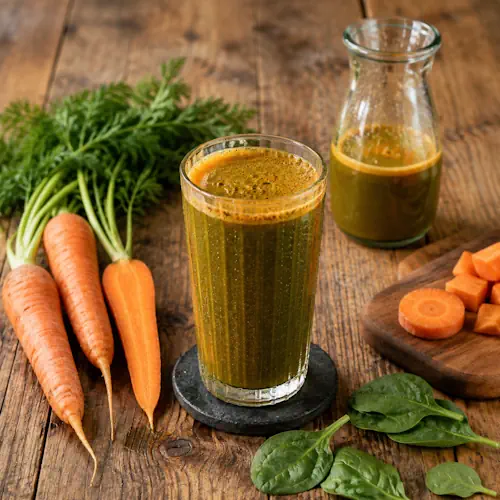
Wash the carrots, kale leaf, and dandelion greens under cold water.
Trim off the ends of the carrots and cut them into pieces that will fit into your juicer chute.
Tear the kale leaf and dandelion greens into smaller pieces.
Place the carrots, kale, and dandelion greens into the juicer and run them through according to the manufacturer’s instructions, extracting all the juice.
Optional: If desired, strain the juice through a fine-mesh strainer to remove any pulp and obtain a smoother consistency.
Pour the fresh kale carrot green juice into a glass and serve immediately.
Carrot Spinach Green Juice combines naturally sweet carrots with fresh leafy spinach. This simple two-ingredient vegetable juice is colourful, refreshing, and quick to prepare for breakfast, brunch, or a light daytime drink.
Wash the carrots thoroughly under cold running water.
Wash the spinach and remove any damaged leaves.
Trim both ends from each carrot.
Cut the carrots into pieces that fit safely into the juicer chute.
For Juicing
Switch on the juicer according to the manufacturer’s instructions.
Feed the carrot pieces through the juicer gradually.
Add small handfuls of spinach between the carrot pieces.
Allow the juicer to extract all the available liquid.
Stir the collected juice to combine the carrot and spinach evenly.
Divide the juice among four glasses.
Serve immediately.
Notes & Wine Advice
Serving Suggestions
Serve the juice immediately after preparation, either at room temperature or over ice. It works well alongside breakfast, brunch, a sandwich, or a light salad. Add a squeeze of lemon immediately before serving for extra freshness.
Recipe Notes
Alternate the spinach with carrot pieces while juicing because the firmer carrots help push the leafy vegetables through the machine. Fresh juice separates naturally, so stir it before drinking. The recipe contains less fibre than eating the whole vegetables.
Variations
Add fresh ginger, lemon, orange, apple, cucumber, celery, parsley, or mint. Apple and orange make the juice sweeter, while lemon and ginger provide a sharper flavour. Additional fruit will also increase its natural sugar content.
Storage
Freshly prepared juice is best consumed immediately. If necessary, refrigerate it in a clean airtight bottle for no longer than 24 hours. Fill the bottle almost completely to reduce contact with air and shake it before serving.
Wine Advice
Wine is unnecessary with this fresh vegetable juice. When serving it as part of a larger brunch, a crisp Sauvignon Blanc can accompany the food served alongside it rather than being mixed with the juice.
Carrot Spinach Juice is a simple vegetable drink made with naturally sweet carrots and fresh leafy spinach. Carrots provide most of the juice and give it a bright orange-green colour, while spinach adds an earthy flavour. With only two ingredients, it can be prepared quickly for breakfast, brunch, or a refreshing daytime drink.
The recipe has been adjusted to make four servings. The precise yield depends on the size and freshness of the carrots, the amount of spinach in each handful, and the efficiency of the juicer. Very fresh vegetables generally contain more liquid and produce a better-tasting result.
Preparing the Vegetables
Wash the carrots and spinach thoroughly under cold running water. Scrub the carrots to remove soil and trim both ends. Peeling is unnecessary when the skins are clean and undamaged, although they can be peeled when preferred.
Remove wilted or damaged spinach leaves before juicing. Cut the carrots into pieces that fit easily inside the juicer chute. Never force oversized vegetables into the machine, and always use the supplied food pusher rather than fingers or kitchen utensils.
Green Carrot Juice
This green carrot juice is naturally sweeter than juice made mainly from leafy vegetables. Alternating carrot pieces with small handfuls of spinach helps push the soft leaves through the juicer. It also reduces the amount of spinach that may remain inside the machine.
Stir the collected liquid before pouring because the carrot and spinach juices can separate. Separation after standing is normal and does not indicate spoilage. The drink can be served immediately at room temperature or poured over ice.
Nutrition and Fibre
Carrots and spinach contain useful nutrients, but juicing removes much of their natural fibre. The drink should therefore complement whole vegetables rather than replace them entirely. The original claim that the juice is rich in protein is inaccurate because one serving provides only about 2 grams.
Spinach contains iron, but the quantity retained in the finished juice depends on the amount extracted. Adding lemon juice can provide freshness and vitamin C. Anyone managing blood sugar should remember that vegetable juice is absorbed more quickly than intact vegetables because it contains less fibre.
Flavour Variations
Fresh ginger gives the juice warmth, while lemon or lime adds acidity. Cucumber and celery create a lighter drink with more liquid. Apple or orange makes it sweeter but also increases the natural sugar content. Parsley and mint provide a fresh herbal note.
Juicing leaves carrot and spinach pulp behind. When the vegetables have been cleaned properly, the pulp can be added to soup, vegetable burgers, savoury muffins, pasta sauce, or stock. Use it promptly because moist vegetable pulp spoils quickly.
The pulp can also be frozen in small portions for later cooking. It will not have the same texture as freshly grated vegetables, but it can still add body to blended soups and sauces. Discard pulp that has been left at room temperature for an extended period.
Storage and Food Safety
Fresh juice tastes best immediately after preparation. Exposure to air gradually changes its colour and flavour. When storage is necessary, pour it into a clean airtight bottle, refrigerate it immediately, and consume it within 24 hours.
Wash the juicer promptly after use because dried vegetable fibres are difficult to remove. Follow current FDA safe food-handling guidance when washing produce and storing freshly prepared juice.
This two-ingredient drink offers a practical way to combine carrots and spinach, but it works best as one part of a varied diet that also includes plenty of whole fruits and vegetables.
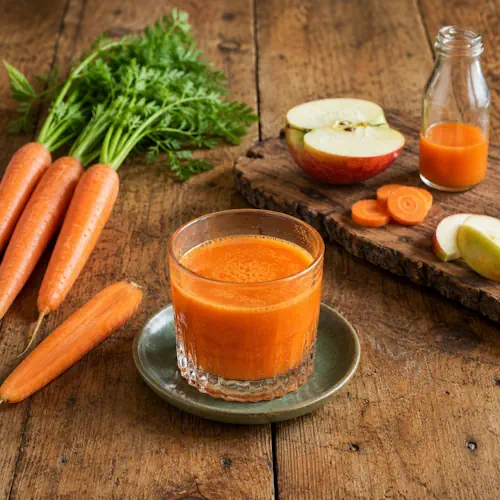
Fresh Organic Carrot Juice is a naturally sweet vegetable drink made with one simple ingredient. Fresh carrots produce a bright, refreshing juice that can be served for breakfast, brunch, or as a light daytime drink.
Rinse the organic carrots thoroughly under cold running water.
Scrub away any remaining soil.
Cut off the tops and damaged ends.
Cut the carrots into pieces that fit safely inside the juicer chute.
For Juicing
Switch on the juicer according to the manufacturer’s instructions.
Feed the carrot pieces gradually through the juicer.
Use the supplied food pusher when necessary.
Continue until all the carrots have been processed.
Stir the collected juice to combine any separated layers.
Divide the juice among four glasses.
Serve immediately.
Notes & Wine Advice
Serving Suggestions
Serve the carrot juice immediately at room temperature or over ice. It works well with breakfast, brunch, sandwiches, salads, or fresh fruit. Add a squeeze of lemon immediately before drinking when you prefer a fresher, sharper flavour.
Recipe Notes
Organic carrots should still be washed thoroughly before juicing. Peeling is unnecessary when the carrots are clean and undamaged. Fresh juice contains less fibre than whole carrots, so it should complement rather than replace intact vegetables.
Variations
Add fresh ginger, lemon, orange, cucumber, celery, turmeric, or mint. Apple creates a sweeter juice, while lemon and ginger provide a sharper flavour. Adding fruit will generally increase the natural sugar content.
Storage
Fresh carrot juice is best consumed immediately. When storage is necessary, refrigerate it in a clean airtight bottle and use it within 24 hours. Fill the bottle almost completely to reduce exposure to air and shake before serving.
Wine Advice
Wine is unnecessary with fresh carrot juice. When serving it as part of a larger brunch, a crisp Sauvignon Blanc can accompany the food served alongside the juice.
Fresh Organic Carrot Juice is a naturally sweet and colourful drink made entirely from fresh carrots. The recipe contains no added sugar, artificial flavourings, preservatives, or dairy products. Juicing the carrots creates a smooth drink that works well at breakfast, during brunch, or as a refreshing addition to a healthy lunch.
This recipe is scaled to four servings and uses four pounds of organic carrots. The precise amount of juice produced can vary because some carrots contain more moisture than others. Fresh, firm carrots generally produce the best flavour and the highest juice yield.
Choosing and Preparing the Carrots
Select firm carrots with an even orange colour. Avoid carrots that feel soft, rubbery, or excessively dry. Organic carrots are used in this recipe, but they must still be washed thoroughly under cold running water. Remove the leafy tops and trim away any damaged areas before cutting the carrots into pieces that fit safely inside the juicer chute.
Peeling is optional when the carrots have been cleaned carefully. Leaving the peel intact reduces preparation work and prevents unnecessary waste. Always follow the operating instructions supplied with your juicer, especially when using the feed tube and food pusher.
Making Smooth Carrot Juice
Feed the prepared carrots through the juicer gradually. Alternating thicker and thinner pieces can help the appliance process them efficiently. Do not force vegetables into the chute or overload the machine. If the juicer begins accumulating pulp, switch it off and clean the relevant parts before continuing.
Fresh Organic Carrot Juice may contain a small amount of natural pulp. For a lighter and smoother drink, pour it through a fine-mesh strainer before serving. Keep the pulp when possible because it can be added to vegetable soup, savoury muffins, sauces, or homemade vegetable stock.
Serving Carrot Juice
Serve the juice immediately after preparation for its freshest flavour and brightest colour. It can be enjoyed at room temperature or chilled briefly in the refrigerator. For a balanced breakfast, pair it with our Tomato Corn Frittata. It also complements a fresh Mojito Fruit Salad at brunch.
For a different vegetable combination, try our Carrot Spinach Juice. Fresh ginger, lemon juice, orange, or turmeric can also be added to carrot juice, although these ingredients will change its flavour and nutritional values.
Nutrition and Dietary Information
Carrots naturally contain beta-carotene, which the body can convert into vitamin A. They also supply natural carbohydrates and sugars. Juicing removes much of the fibre found in whole carrots, so carrot juice should complement rather than completely replace whole vegetables in a varied diet.
This pure carrot juice contains no gluten, wheat, dairy, eggs, soy, or nuts. It is therefore suitable for numerous dietary preferences, including vegan and vegetarian diets. Anyone managing blood sugar should consider the natural sugar content and select a serving size appropriate to their personal dietary guidance.
Storage and Food Safety
Fresh juice is best consumed immediately. If necessary, transfer it to a clean airtight bottle and refrigerate it promptly. Fill the container as fully as practical to reduce exposure to air and use the juice within 24 hours. Stir or shake it before serving because natural separation may occur.
Wash the juicer components immediately after use so carrot pulp does not dry onto the surfaces. Follow current FDA safe food-handling guidance when washing produce and storing freshly prepared drinks. With good carrots and careful preparation, Fresh Organic Carrot Juice provides a simple and vibrant homemade drink in only a few minutes.
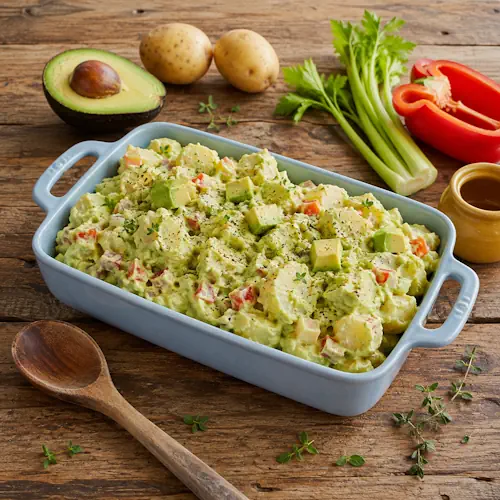
Creamy Avocado Potato Salad combines tender potatoes, crisp vegetables, and a smooth avocado-mustard dressing. This fresh vegan salad is perfect for picnics, barbecues, lunches, and summer gatherings.
Place the chopped potatoes in a large pot and cover them with water.
Bring the water to a boil and cook the potatoes for 10 to 15 minutes until fork-tender.
Drain the potatoes thoroughly and allow them to cool to room temperature.
Transfer the cooled potatoes to a large mixing bowl.
Add the celery, red bell pepper, and red onion.
Gently mix the vegetables and set the bowl aside.
Prepare the Avocado Dressing
Place the mashed avocado in a small mixing bowl.
Add the apple cider vinegar, Bragg Liquid Aminos, Italian seasoning, Dijon mustard, kosher salt, and black pepper.
Whisk until the dressing is smooth and evenly combined.
Combine and Chill
Pour the avocado dressing over the potato mixture.
Gently toss until the potatoes and vegetables are evenly coated.
Taste and adjust the seasoning when necessary.
Cover the mixing bowl and refrigerate the salad for at least 1 hour.
Serve the Creamy Avocado Potato Salad chilled.
Notes & Wine Advice
Serving Suggestions
Serve this potato salad chilled alongside grilled vegetables, veggie burgers, roasted chicken, or fresh bread. It is especially suitable for picnics, barbecues, packed lunches, and summer buffets.
Recipe Notes
Cook the potatoes only until fork-tender so they retain their shape when mixed with the dressing. Allow them to cool completely before adding the avocado. Bragg Liquid Aminos provides salt and savoury flavour, so taste the salad before adding additional salt.
Variations
Add chopped fresh parsley, dill, chives, cucumber, sweetcorn, or pickles. For additional protein, fold in drained chickpeas or white beans. A little fresh lemon or lime juice can be added to brighten the dressing and help slow the browning of the avocado.
Storage
Store the salad in a covered container in the refrigerator and consume it within two days. The avocado dressing may darken gradually, although this does not immediately indicate spoilage. Do not leave the salad at room temperature for longer than two hours.
Wine Advice
A crisp Pinot Grigio complements the fresh vegetables and creamy avocado without overpowering them. Sauvignon Blanc is another suitable choice because its bright acidity balances the richness of the dressing.
Creamy Avocado Potato Salad combines tender potatoes and crisp vegetables with a smooth dressing made from ripe avocado, mustard, apple cider vinegar, and savoury liquid aminos. Unlike traditional potato salads, this version contains no mayonnaise, eggs, or dairy. It is a colourful side dish for picnics, barbecues, lunches, and summer gatherings.
The avocado creates a naturally creamy consistency, while apple cider vinegar adds enough acidity to keep the salad fresh and balanced. Celery, red bell pepper, and red onion provide colour, crunch, and a pleasant contrast to the soft potatoes. Italian seasoning adds a convenient mixture of aromatic herbs without requiring several separate seasonings.
Choosing the Best Potatoes
Waxy potatoes are the best choice for avocado potato salad because they retain their shape after cooking. Baby potatoes, red potatoes, or Yukon Gold potatoes are all suitable. Floury potatoes can also be used, but they must be handled carefully because they break apart more easily.
Cut the potatoes into evenly sized pieces so they cook at the same rate. Begin checking them after approximately 10 minutes. They should be easily pierced with a fork but remain firm enough to withstand mixing. Drain them thoroughly and allow them to cool before adding the avocado dressing.
Making the Avocado Dressing
Use a ripe avocado that yields slightly when pressed. An underripe avocado will not mash smoothly, while an overripe one may have dark spots or an unpleasant flavour. Mash it thoroughly before whisking in the mustard, vinegar, seasonings, and liquid aminos.
Bragg Liquid Aminos supplies saltiness and a savoury depth similar to soy sauce. It contains soy, so it is unsuitable for anyone with a soy allergy. The dressing should taste slightly stronger on its own because the potatoes will absorb and soften its flavours.
Serving Ideas
Serve this salad alongside grilled vegetables, veggie burgers, roasted chicken, fish, or barbecue dishes. It also works as part of a picnic buffet with our Tomato Avocado Cucumber Chickpea Salad. For a more substantial summer meal, combine it with Smoky BBQ Chicken Pizza.
The salad can also be served in lettuce cups or spooned onto a bed of leafy greens. Fresh parsley, dill, chives, or coriander make attractive garnishes. Chickpeas or white beans can be added when a more filling plant-based dish is wanted.
Variations and Adjustments
Add lemon or lime juice for extra freshness and to help slow the natural browning of the avocado. Chopped pickles or capers supply a sharper flavour, while cucumber and sweetcorn provide additional texture. Smoked paprika or cayenne pepper can be added for warmth.
If you prefer a milder onion flavour, rinse the chopped red onion briefly under cold water and drain it well. Dijon mustard gives the dressing a smooth, tangy finish, but whole-grain mustard can be used for more texture. For another potato-based side dish, try our Rosemary White-Wine Roasted Potatoes.
Storage and Food Safety
Avocado gradually darkens after exposure to air. This is a natural oxidation process and does not immediately mean the salad has spoiled. Press reusable food wrap directly against the surface or store the salad in a tightly sealed container to slow discolouration.
Refrigerate leftovers promptly and consume them within two days. Do not freeze the salad because the potatoes and fresh vegetables may develop a watery texture after thawing. Follow current FDA safe food-handling guidance when cooling, storing, and serving prepared salads.
With its creamy dressing, colourful vegetables, and straightforward preparation, Creamy Avocado Potato Salad offers a fresh alternative to mayonnaise-based potato salad. Prepare it in advance, chill it thoroughly, and serve it whenever a lighter but satisfying side dish is needed.
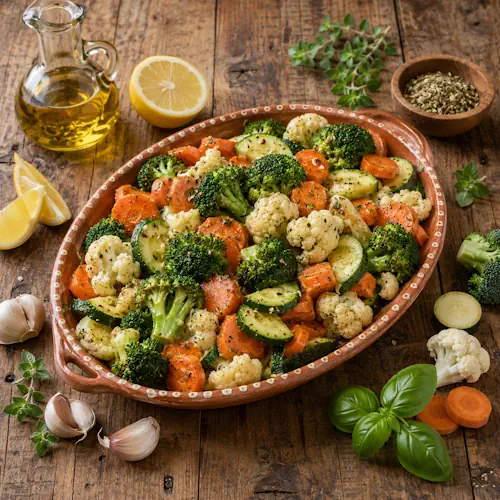
Zesty Marinated Vegetables combine crisp broccoli, cauliflower, carrots, and zucchini with a fresh lemon and herb marinade. This colourful no-cook dish is ideal as an appetizer, salad, or refreshing side dish.
Place the broccoli florets in a large mixing bowl.
Add the sliced carrots, cauliflower florets, and zucchini.
Gently toss the vegetables until evenly combined.
Set the bowl aside while preparing the marinade.
Prepare the Marinade
Pour the extra-virgin olive oil into a small mixing bowl.
Add the Bragg Liquid Aminos, Italian seasoning, lemon juice, and garlic powder.
Whisk until the marinade is thoroughly combined.
Marinate the Vegetables
Pour the marinade over the prepared vegetables.
Toss carefully until all the vegetables are evenly coated.
Cover the mixing bowl with a lid or reusable food wrap.
Refrigerate the vegetables for 8 hours to allow the flavours to develop.
Serve the Vegetables
Remove the vegetables from the refrigerator.
Stir gently to redistribute the marinade.
Serve the Zesty Marinated Vegetables chilled.
Notes & Wine Advice
Serving Suggestions
Serve these marinated vegetables chilled as an appetizer, salad, or side dish. They pair well with grilled chicken, fish, tofu, veggie burgers, crusty bread, or a Mediterranean rice dish.
Recipe Notes
Slice the vegetables into similarly sized pieces so they absorb the marinade evenly. The vegetables remain raw and crisp, so use fresh produce without soft or damaged areas. Stir the mixture once or twice during marinating when possible.
Variations
Add red bell pepper, cucumber, cherry tomatoes, red onion, mushrooms, or fresh parsley. Replace the Italian seasoning with oregano, basil, or dill. For extra acidity, add another teaspoon of lemon juice or apple cider vinegar.
Storage
Store the vegetables in a covered container in the refrigerator and consume them within three days. Stir before serving to redistribute the dressing. Do not freeze the salad because the vegetables will lose their crisp texture after thawing.
Wine Advice
A crisp Pinot Grigio complements the lemon, herbs, and fresh vegetables. A dry rosé is another refreshing choice for a barbecue, picnic, or summer lunch.
Zesty Marinated Vegetables combine crisp broccoli, cauliflower, carrots, and zucchini with a bright lemon and herb marinade. Extra-virgin olive oil carries the flavours, while liquid aminos add a savoury note. The result is a colourful no-cook salad that can be served as an appetizer, side dish, or light lunch.
The combination of olive oil, lemon, garlic, and Italian seasoning gives the vegetables a Mediterranean character. Marinating them for eight hours allows the seasoning to penetrate their surfaces without removing all their natural crunch. This makes the recipe particularly useful for picnics, barbecues, buffets, and summer parties.
Choosing and Preparing the Vegetables
Fresh, firm vegetables produce the best texture. Select broccoli and cauliflower without dark spots or soft areas. The zucchini should feel firm, and the carrots should be crisp rather than flexible. Wash everything thoroughly before cutting.
Keep the pieces reasonably small and similar in size. Thin carrot slices absorb the marinade more readily than thick chunks. Divide the broccoli and cauliflower into bite-sized florets and slice the zucchini evenly. Uniform pieces make the salad easier to serve and ensure every portion receives a balanced mixture.
Preparing the Lemon Herb Marinade
Whisk the extra-virgin olive oil with lemon juice, liquid aminos, garlic powder, and Italian seasoning until combined. The oil and lemon juice may separate again after standing, which is normal. Stirring the vegetables before serving redistributes the marinade.
Bragg Liquid Aminos adds savoury flavour and salt. Because the product contains soy, this recipe is unsuitable for people with a soy allergy. Taste the vegetables before adding extra salt because the liquid aminos may already provide enough seasoning.
Getting the Best Texture
The vegetables remain uncooked, so the finished dish has a noticeably crisp texture. If you prefer slightly softer broccoli, cauliflower, or carrots, blanch them separately in boiling water for one minute. Transfer them immediately to iced water, drain thoroughly, and allow them to dry before adding the marinade.
Do not blanch the zucchini because it softens more quickly and may release too much moisture. For another vegetable dish with deeper roasted flavours, try our Roasted Asparagus and Pearl Onions with Balsamic.
Serving Ideas
Serve this marinated vegetable salad chilled or allow it to stand at room temperature for approximately 15 minutes before serving. It pairs well with grilled chicken, fish, tofu, veggie burgers, rice dishes, and crusty bread. It can also be combined with our Creamy Avocado Potato Salad for a colourful picnic or barbecue buffet.
For a more filling meal, add chickpeas, white beans, cooked pasta, quinoa, or crumbled feta. Cherry tomatoes, cucumber, red bell pepper, mushrooms, and red onion are suitable additions. Fresh parsley, basil, dill, or chives can replace part of the dried herb mixture.
Making the Recipe Ahead
Zesty Marinated Vegetables are designed for advance preparation. Mix everything in the evening and refrigerate the covered bowl overnight. Stir the mixture once during marinating when convenient so vegetables at the top also receive enough dressing.
Store leftovers in a clean, airtight container in the refrigerator and consume them within three days. The vegetables will soften gradually as they absorb the acidic dressing. Freezing is not recommended because thawing will damage their crisp texture.
Safe Storage and Serving
Keep the vegetables refrigerated until shortly before serving. During warm-weather gatherings, return the bowl to the refrigerator rather than leaving it outside for an extended period. Follow current FDA safe food-handling guidance when washing produce, preparing salads, and storing leftovers.
With simple preparation, fresh vegetables, and a bright Mediterranean-style marinade, Zesty Marinated Vegetables provide an easy way to add colour and crunch to almost any meal.
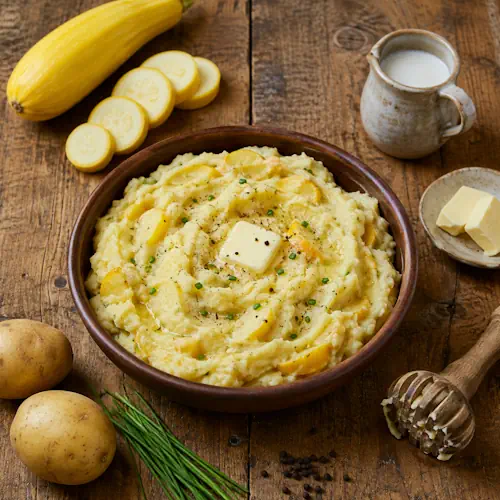
Creamy Potato Squash Mash combines fluffy baking potatoes with tender yellow squash, rice milk, and dairy-free butter. This smooth and comforting vegetable side dish is suitable for family dinners and festive meals.
Add enough water to cover the potatoes completely.
Bring the water to a boil over medium-high heat.
Cook the potatoes for approximately 10 minutes.
Add the chopped yellow squash to the pot.
Continue cooking for 5 to 7 minutes until the potatoes and squash are fork-tender.
Drain the vegetables thoroughly.
Return the drained potatoes and squash to the warm pot.
Prepare the Creamy Mash
Mash the potatoes and yellow squash together with a potato masher.
Gradually add the rice milk while continuing to mash.
Add the dairy-free butter and Bragg Liquid Aminos.
Season with the kosher salt and black pepper.
Continue mashing until the mixture is smooth and creamy.
Taste and adjust the seasoning when necessary.
Serve the Creamy Potato Squash Mash immediately.
Notes & Wine Advice
Serving Suggestions
Serve this creamy mash with roasted vegetables, vegan sausages, grilled chicken, roast beef, or baked fish. It also makes a comforting addition to Christmas, Thanksgiving, and other festive dinners.
Recipe Notes
Cut the potatoes and squash into similarly sized pieces so they cook evenly. Drain them thoroughly because excess water can make the mash thin. Add the rice milk gradually and stop when the desired consistency has been reached.
Variations
Add roasted garlic, chopped chives, parsley, thyme, or nutritional yeast. Sweet potatoes can replace part of the baking potatoes for a sweeter flavour and deeper colour. For a firmer mash, reduce the rice milk slightly.
Storage
Refrigerate leftovers in an airtight container for up to three days. Reheat the mash gently in a saucepan or microwave and add a small splash of rice milk if it has become too thick. Freezing is possible, although the texture may become slightly watery after thawing.
Wine Advice
A lightly oaked Chardonnay complements the creamy texture and mild sweetness of the squash. Sauvignon Blanc is a fresher alternative when serving the mash with vegetables or fish.
Creamy Potato Squash Mash combines fluffy baking potatoes with tender yellow squash, rice milk, and dairy-free butter. The squash adds subtle sweetness, extra colour, and a lighter texture without overpowering the familiar flavour of mashed potatoes. This comforting vegetable side dish is suitable for family dinners, holidays, and autumn meals.
Using yellow squash is also a practical way to include more vegetables in a traditional potato dish. Once cooked and mashed, the squash blends smoothly into the potatoes. Rice milk keeps the recipe dairy-free, while Bragg Liquid Aminos provides a savoury flavour that reduces the need for large quantities of added salt.
Choosing the Best Potatoes
Baking potatoes are ideal because their high starch content creates a light and fluffy mash. Russet potatoes are a dependable choice. Select firm potatoes without green areas, sprouts, or soft patches. Peel them and cut them into similarly sized pieces so they cook evenly.
Yellow squash should feel firm and have smooth skin. Larger squash may contain more seeds and moisture, so remove the soft central section when necessary. Cutting it into pieces similar in size to the potatoes helps both vegetables become tender at approximately the same time.
Cooking the Vegetables Evenly
Begin cooking the potatoes before adding the squash. Potatoes need more time to soften, while yellow squash cooks quickly and can become watery if boiled too long. After approximately 10 minutes, add the squash and continue cooking until both vegetables are easily pierced with a fork.
Drain everything thoroughly and return the vegetables to the warm pot. Letting them stand for one minute allows excess steam to escape. This small step prevents the finished mash from becoming thin or watery.
Creating a Smooth Dairy-Free Mash
Mash the potatoes and squash while they are still warm. Add the rice milk gradually instead of pouring it in all at once. Different potato varieties absorb different amounts of liquid, so the entire quantity may not always be required.
Stir in the dairy-free butter and liquid aminos after the vegetables have been mashed. Avoid excessive stirring because overworking starchy potatoes can produce a sticky texture. For a more rustic result, leave a few small pieces of potato and squash intact.
Serving Ideas
Serve Creamy Potato Squash Mash with roasted vegetables, grilled tofu, vegan sausages, chicken, beef, pork, or baked fish. It makes a colourful alternative to traditional mashed potatoes at Christmas or Thanksgiving. Pair it with our Zesty Marinated Vegetables when preparing a vegetable-focused family dinner.
For a larger selection of potato dishes, try our Rosemary White-Wine Roasted Potatoes. The mash can also be topped with mushroom gravy, caramelised onions, chopped herbs, or a drizzle of extra-virgin olive oil.
Variations and Seasonings
Roasted garlic, fresh chives, parsley, thyme, sage, or rosemary can be added for more flavour. Nutritional yeast supplies a mild savoury note without dairy. Replace part of the baking potatoes with sweet potatoes for a deeper orange colour and a sweeter finish.
Unsweetened oat milk can replace rice milk if gluten is not a concern or a certified gluten-free product is selected. Always use an unsweetened, unflavoured drink because vanilla or sweetened varieties are unsuitable for savoury mashed potatoes.
Storage and Reheating
Allow leftovers to cool before transferring them to an airtight container. Refrigerate them promptly and consume them within three days. Reheat individual portions in the microwave or warm the mash gently in a saucepan. Add a small splash of rice milk if it has thickened during storage.
Follow current FDA safe food-handling guidance when cooling, refrigerating, and reheating cooked vegetables. Freezing is possible, although yellow squash may release moisture after thawing.
With its creamy consistency, mild sweetness, and simple dairy-free ingredients, Creamy Potato Squash Mash is an easy way to turn potatoes and yellow squash into one satisfying side dish.
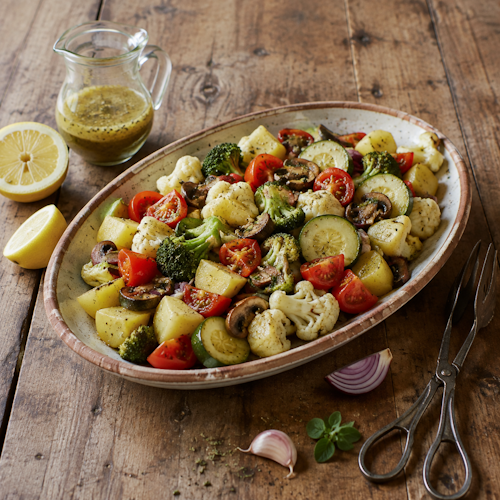
Mediterranean Lemon Vegetable Salad combines tender potatoes with mushrooms, tomatoes, zucchini, cauliflower, and broccoli. A fresh dressing made with lemon, olive oil, garlic, and oregano brings the colourful vegetables together.
Add the broccoli, cauliflower, mushrooms, tomatoes, and zucchini.
Gently toss the vegetables until evenly combined.
Prepare the Lemon Herb Dressing
Pour the lemon juice into a small mixing bowl.
Add the extra-virgin olive oil.
Add the minced onion, garlic, oregano, and Bragg Liquid Aminos.
Season with the kosher salt and black pepper.
Whisk until the dressing is thoroughly combined.
Combine and Chill the Salad
Pour the lemon herb dressing over the vegetables.
Toss gently until all the vegetables are evenly coated.
Cover the mixing bowl.
Refrigerate the salad for at least 1 hour.
Stir gently before serving.
Serve the Mediterranean Lemon Vegetable Salad chilled.
Notes & Wine Advice
Serving Suggestions
Serve the salad chilled as a light main course or vegetable side dish. It pairs well with grilled fish, chicken, tofu, falafel, hummus, rice, or warm pita bread.
Recipe Notes
Steam the potatoes only until fork-tender so they retain their shape when tossed with the dressing. Slice the raw vegetables thinly to help them absorb the lemon and herb flavours during chilling.
Variations
Add cucumber, red bell pepper, olives, chickpeas, artichoke hearts, or fresh parsley. Crumbled feta can be added when a dairy-free version is not required. Replace the oregano with basil, dill, or a Mediterranean herb blend.
Storage
Store the salad in a covered container in the refrigerator and consume it within three days. Stir before serving to redistribute the dressing. Freezing is not recommended because the raw vegetables will lose their crisp texture after thawing.
Wine Advice
A crisp Pinot Grigio complements the lemon, oregano, and fresh vegetables. A chilled dry rosé is another refreshing choice for a barbecue, picnic, or summer lunch.
Mediterranean Vegetable Salad combines steamed potatoes with broccoli, cauliflower, mushrooms, tomatoes, and zucchini. A bright dressing made with lemon juice, extra-virgin olive oil, garlic, onion, and oregano adds fresh Mediterranean flavour. Serve this colourful salad chilled as a light main course or vegetable side dish.
Only the potatoes are cooked. The remaining vegetables stay raw, giving the salad a mixture of soft, juicy, and crisp textures. Chilling the finished dish for one hour allows the vegetables to absorb the lemon herb dressing while preserving their freshness.
Preparing the Potatoes
Waxy potatoes are the best choice because they retain their shape after steaming. Red potatoes, baby potatoes, or Yukon Gold potatoes are all suitable. Cut them into similarly sized chunks so every piece becomes tender at approximately the same time.
Steam the potatoes only until they can be pierced easily with a fork. Overcooked potatoes may break apart when tossed with the vegetables and dressing. Let them cool slightly before combining them with the raw ingredients.
Choosing the Fresh Vegetables
Select firm zucchini, compact broccoli and cauliflower, ripe tomatoes, and fresh mushrooms without dark or soft areas. Wash the vegetables thoroughly and dry them before slicing. Excess water can dilute the dressing and collect at the bottom of the bowl.
Thinly sliced vegetables absorb the marinade more effectively than large pieces. Cut the broccoli into small florets and keep the tomato slices thick enough to prevent them from breaking apart during mixing.
Making the Lemon Herb Dressing
Fresh lemon juice supplies acidity, while extra-virgin olive oil creates body and carries the flavours of garlic and oregano. Bragg Liquid Aminos contributes savoury depth and salt. Because it contains soy, the finished salad is unsuitable for anyone with a soy allergy.
Whisk the dressing immediately before pouring it over the vegetables. Lemon juice and olive oil naturally separate when left standing, so the salad should also be stirred again before serving.
Chilling and Serving
Cover the bowl and refrigerate it for at least one hour. This resting time softens the onion and garlic flavours and allows the herbs to season the vegetables. Avoid leaving the salad overnight before its first serving if you prefer particularly crisp vegetables.
Serve Mediterranean Vegetable Salad with grilled fish, chicken, tofu, falafel, hummus, rice, or pita bread. It also pairs well with our Zesty Marinated Vegetables as part of a colourful picnic or barbecue buffet.
Variations and Additions
Add cucumber, red bell pepper, olives, artichoke hearts, chickpeas, or fresh parsley. Chickpeas make the salad more substantial and add plant-based protein. Crumbled feta provides a salty Mediterranean finish when a dairy-free version is not required.
Transfer leftovers to an airtight container and refrigerate them promptly. Consume the salad within three days. The tomatoes and zucchini will release moisture gradually, so stir everything before serving again.
Freezing is not recommended because the raw vegetables will become soft and watery after thawing. Follow current FDA safe food-handling guidance when washing fresh produce, cooling potatoes, and storing prepared salads.
With its varied vegetables, fresh citrus dressing, and simple preparation, Mediterranean Vegetable Salad makes a versatile summer dish for lunches, picnics, parties, and barbecues.
Assorted freshly sliced vegetablescarrots, cucumbers, bell peppers, etc. and apple slices for serving
Get Recipe Ingredients
Instructions
In a food processor or blender, combine the tahini, fresh squeezed lemon juice, warm water, chopped garlic, organic chickpeas, and Bragg Liquid Aminos.
Blend the ingredients until smooth and creamy, adding more warm water as needed to achieve the desired consistency.
Season with salt and pepper to taste.
Transfer the creamy chickpea veggie dip to a serving bowl.
Serve the dip with freshly sliced vegetables such as carrots, cucumbers, bell peppers, and apple slices.
Enjoy this nutritious and flavorful dip as a delicious appetizer or snack!
Notes & Wine Advice
Leftover dip can be stored in an airtight container in the refrigerator for up to 3-4 days.
Wine Advice:
A crisp, dry white wine like Chardonnay or a sparkling water with lemon and lime slices would pair well with this refreshing dip.
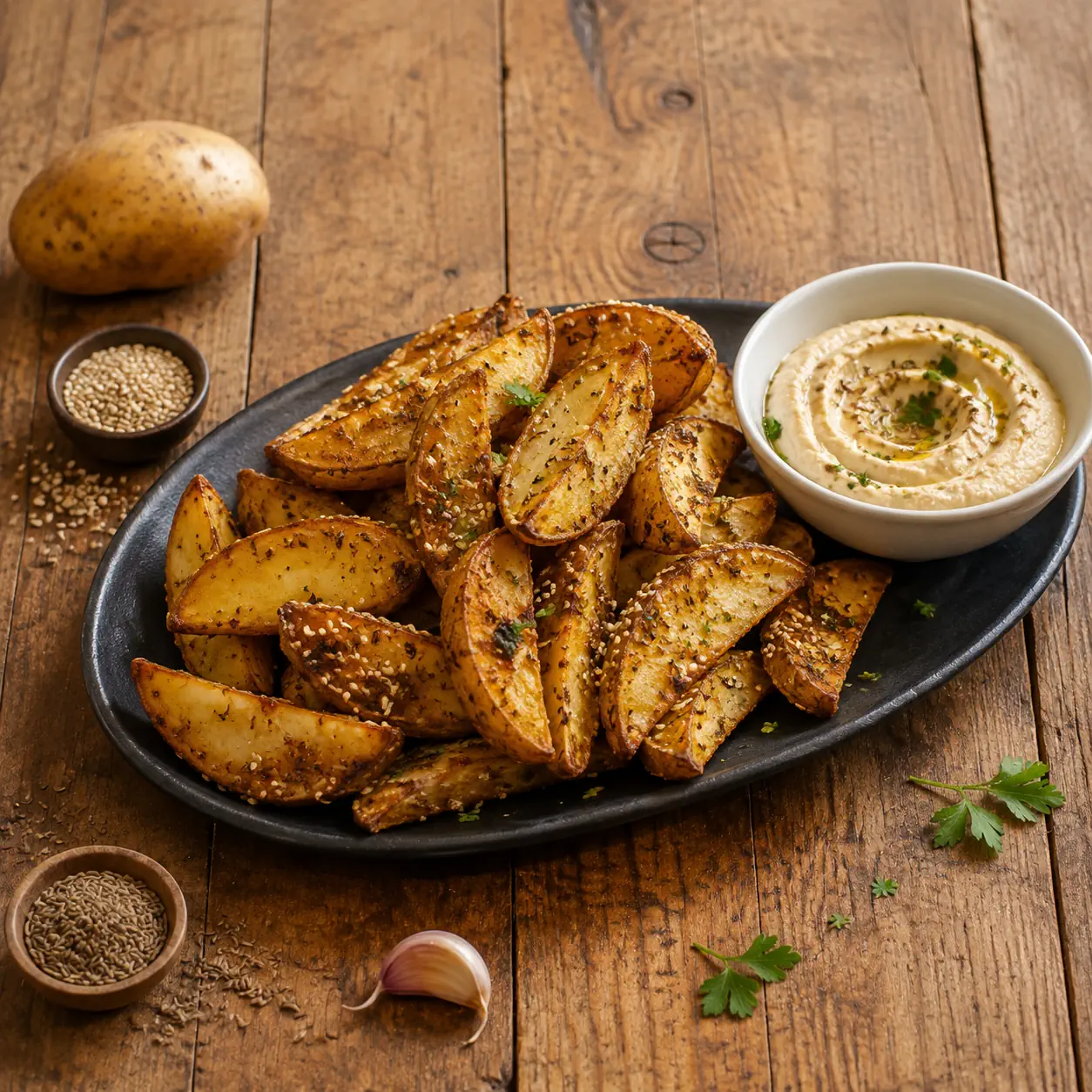
Sesame Cumin Potato Wedges are crispy oven-baked potatoes seasoned with toasted sesame seeds, cumin, garlic, and olive oil. They develop golden edges and fluffy centres, making them an easy savory side dish or snack.
Lightly coat a large baking dish with olive oil cooking spray.
Wash the potatoes thoroughly under cold running water and dry them well.
Cut each potato lengthwise into wedges approximately 2 cm thick.
Pour the extra virgin olive oil into a sealable food bag.
Add the sesame seeds, cumin, kosher salt, garlic powder, and black pepper.
Add the potato wedges and seal the bag securely.
Shake until all the wedges are evenly coated with the seasoning mixture.
Arrange the seasoned potato wedges in a single layer in the prepared baking dish.
Bake for 22 minutes.
Turn the wedges carefully.
Continue baking for another 23 minutes until golden brown, crisp at the edges, and tender inside.
Remove from the oven and allow to cool for 5 minutes.
Serve warm.
Notes & Wine Advice
Serving Suggestions
Serve the wedges with hummus, garlic sauce, tahini dressing, ketchup, or a fresh yogurt dip. They work well alongside grilled vegetables, chicken, fish, falafel, or veggie burgers.
Recipe Notes
Cut the potato wedges to an even thickness so they finish cooking at the same time. Arrange them in a single layer with space between the pieces. Overcrowding traps steam and prevents crisp edges from developing.
Variations
Add smoked paprika, ground coriander, chilli powder, turmeric, or onion powder. Replace the sesame seeds with black sesame seeds for a stronger visual contrast. Sweet potatoes can be used, although they may cook more quickly.
Storage
Refrigerate leftover wedges in an airtight container for up to three days. Reheat them in a hot oven or air fryer until thoroughly heated and crisp. Microwaving is possible, but it will produce a softer texture.
Wine Advice
A crisp Sauvignon Blanc balances the warm cumin and toasted sesame flavours. A dry rosé is another suitable choice when serving the wedges at a barbecue or party.
Sesame Cumin Potato Wedges combine fluffy baking potatoes with toasted sesame seeds, earthy cumin, garlic, and olive oil. Baking them at a high temperature produces golden edges without deep frying. Serve these warmly spiced wedges as a side dish, appetizer, or savoury snack.
The seasoning gives traditional oven-baked potatoes a Middle Eastern character. Cumin supplies warmth and depth, while sesame seeds add a lightly nutty flavour and subtle crunch. Garlic powder distributes evenly across the wedges without creating pieces that could burn during baking.
Choosing the Best Potatoes
Large baking potatoes are ideal because their starchy flesh becomes fluffy inside while the cut surfaces turn golden. Russet potatoes work particularly well. Select firm potatoes without soft patches, sprouts, or green areas.
The skins can remain in place when the potatoes have been cleaned thoroughly. Potato skin adds texture and helps the wedges retain their shape. Scrub each potato under cold running water and dry it carefully before cutting.
Cutting Even Potato Wedges
Cut each potato lengthwise into wedges approximately ¾ inch thick. Keeping the pieces similar in size helps them cook at the same rate. Thin wedges may burn before their centres become fluffy, while excessively thick pieces need additional cooking time.
Drying the potatoes before seasoning is essential. Water on their surfaces prevents the olive oil from coating them properly and creates steam in the baking dish. A dry surface supports better browning and crisper edges.
Coating the Wedges Evenly
A sealable food bag makes it easy to distribute the small amount of oil and seasoning. Add the olive oil, sesame seeds, cumin, garlic powder, salt, and pepper before adding the potatoes. Shake the sealed bag until every piece has a thin and even coating.
A large mixing bowl can be used instead of a bag. Toss the potatoes thoroughly with clean hands or a silicone spatula. Make sure the sesame seeds and spices do not remain concentrated at the bottom of the bowl.
Baking for a Crisp Finish
Arrange the seasoned wedges in a single layer. Leave some space between them so hot air can circulate and moisture can escape. Crowded potatoes steam against each other and remain softer.
Turn the wedges halfway through baking to brown both cut surfaces. They are ready when the edges are golden and a fork slides easily into the centre. For another oven-baked potato dish, try our Rosemary White-Wine Roasted Potatoes.
Serving Ideas and Dips
Serve Sesame Cumin Potato Wedges with hummus, tahini dressing, garlic sauce, ketchup, or a cooling yogurt dip. They pair well with grilled chicken, fish, falafel, roasted vegetables, and veggie burgers. For a fresh contrast, add our Mediterranean Vegetable Salad.
The wedges can also be included on a party platter with olives, cucumber, flatbread, and several dips. Our Broccoli Pesto Spread provides another colourful dipping option.
Variations
Add smoked paprika, chilli powder, ground coriander, turmeric, or onion powder. Black sesame seeds create a stronger colour contrast. Sweet potatoes can replace the baking potatoes, although their higher natural sugar content means they may brown more quickly.
For extra crispness, preheat the baking dish in the oven before carefully adding the seasoned potatoes. Avoid using baking paper when maximum contact browning is preferred.
Storage and Reheating
Refrigerate leftover wedges in an airtight container and consume them within three days. Reheat them in a hot oven or air fryer until thoroughly heated and crisp. A microwave will warm them but cannot restore the crisp exterior.
Follow current FDA safe food-handling guidance when washing potatoes, cooling cooked food, and storing leftovers. With simple spices and a reliable oven method, Sesame Cumin Potato Wedges deliver plenty of flavour without deep frying.
Manage Consent
To provide the best experiences, we use technologies like cookies to store and/or access device information. Consenting to these technologies will allow us to process data such as browsing behavior or unique IDs on this site. Not consenting or withdrawing consent, may adversely affect certain features and functions.
Functional
Always active
The technical storage or access is strictly necessary for the legitimate purpose of enabling the use of a specific service explicitly requested by the subscriber or user, or for the sole purpose of carrying out the transmission of a communication over an electronic communications network.
Preferences
The technical storage or access is necessary for the legitimate purpose of storing preferences that are not requested by the subscriber or user.
Statistics
The technical storage or access that is used exclusively for statistical purposes.The technical storage or access that is used exclusively for anonymous statistical purposes. Without a subpoena, voluntary compliance on the part of your Internet Service Provider, or additional records from a third party, information stored or retrieved for this purpose alone cannot usually be used to identify you.
Marketing
The technical storage or access is required to create user profiles to send advertising, or to track the user on a website or across several websites for similar marketing purposes.