Wash the tomato, cucumber, celery, and lime under cold water.
Quarter the tomato and cut the cucumber into strips.
Cut the celery into chunks and slice a small piece of lime.
Place the tomato, cucumber, celery, and lime slice into the juicer and run them through according to the manufacturer’s instructions, extracting all the juice.
Strain the juice to remove any pulp and obtain a smoother consistency.
Pour the fresh tomato-cucumber cooler into an 8-ounce glass and serve immediately.
Wash the carrots, celery, parsley, and garlic under cold water.
Trim off the ends of the carrots and cut them into pieces that will fit into your juicer chute.
Cut the celery into 1-inch chunks.
Peel the garlic cloves.
Place the carrots, celery, parsley, and garlic into the juicer and run them through according to the manufacturer’s instructions, extracting all the juice.
Optional: If desired, strain the juice through a fine-mesh strainer to remove any pulp and obtain a smoother consistency.
Pour the fresh carrot celery immune elixir juice into a glass and serve immediately.
Enjoy the refreshing and nutrient-packed benefits of this carrot parsley immune booster juice, enhanced with the sweetness of apple and the benefits of garlic!
Wash the carrots, parsley, and apple under cold water.
Trim off the ends of the carrots and cut them into pieces that will fit into your juicer chute.
Cut the apple into wedges, ensuring the core is removed.
Peel the garlic clove.
Place the carrots, parsley, garlic, and apple into the juicer and run them through according to the manufacturer’s instructions, extracting all the juice.
Optional: If desired, strain the juice through a fine-mesh strainer to remove any pulp and obtain a smoother consistency.
Pour the fresh carrot parsley immune booster juice into a glass and serve immediately.
Wash the carrots, kale leaf, and dandelion greens under cold water.
Trim off the ends of the carrots and cut them into pieces that will fit into your juicer chute.
Tear the kale leaf and dandelion greens into smaller pieces.
Place the carrots, kale, and dandelion greens into the juicer and run them through according to the manufacturer’s instructions, extracting all the juice.
Optional: If desired, strain the juice through a fine-mesh strainer to remove any pulp and obtain a smoother consistency.
Pour the fresh kale carrot green juice into a glass and serve immediately.
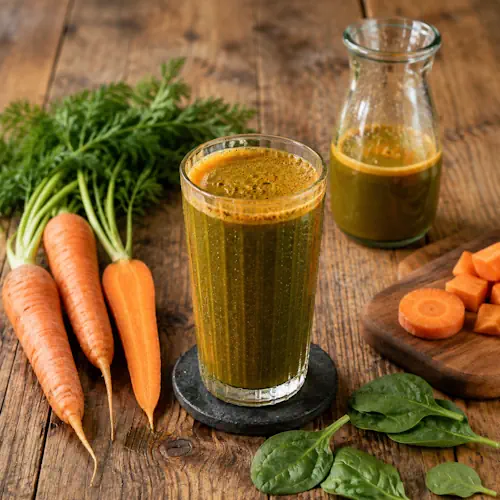
Carrot Spinach Green Juice combines naturally sweet carrots with fresh leafy spinach. This simple two-ingredient vegetable juice is colourful, refreshing, and quick to prepare for breakfast, brunch, or a light daytime drink.
Wash the carrots thoroughly under cold running water.
Wash the spinach and remove any damaged leaves.
Trim both ends from each carrot.
Cut the carrots into pieces that fit safely into the juicer chute.
For Juicing
Switch on the juicer according to the manufacturer’s instructions.
Feed the carrot pieces through the juicer gradually.
Add small handfuls of spinach between the carrot pieces.
Allow the juicer to extract all the available liquid.
Stir the collected juice to combine the carrot and spinach evenly.
Divide the juice among four glasses.
Serve immediately.
Notes & Wine Advice
Serving Suggestions
Serve the juice immediately after preparation, either at room temperature or over ice. It works well alongside breakfast, brunch, a sandwich, or a light salad. Add a squeeze of lemon immediately before serving for extra freshness.
Recipe Notes
Alternate the spinach with carrot pieces while juicing because the firmer carrots help push the leafy vegetables through the machine. Fresh juice separates naturally, so stir it before drinking. The recipe contains less fibre than eating the whole vegetables.
Variations
Add fresh ginger, lemon, orange, apple, cucumber, celery, parsley, or mint. Apple and orange make the juice sweeter, while lemon and ginger provide a sharper flavour. Additional fruit will also increase its natural sugar content.
Storage
Freshly prepared juice is best consumed immediately. If necessary, refrigerate it in a clean airtight bottle for no longer than 24 hours. Fill the bottle almost completely to reduce contact with air and shake it before serving.
Wine Advice
Wine is unnecessary with this fresh vegetable juice. When serving it as part of a larger brunch, a crisp Sauvignon Blanc can accompany the food served alongside it rather than being mixed with the juice.
Carrot Spinach Juice is a simple vegetable drink made with naturally sweet carrots and fresh leafy spinach. Carrots provide most of the juice and give it a bright orange-green colour, while spinach adds an earthy flavour. With only two ingredients, it can be prepared quickly for breakfast, brunch, or a refreshing daytime drink.
The recipe has been adjusted to make four servings. The precise yield depends on the size and freshness of the carrots, the amount of spinach in each handful, and the efficiency of the juicer. Very fresh vegetables generally contain more liquid and produce a better-tasting result.
Preparing the Vegetables
Wash the carrots and spinach thoroughly under cold running water. Scrub the carrots to remove soil and trim both ends. Peeling is unnecessary when the skins are clean and undamaged, although they can be peeled when preferred.
Remove wilted or damaged spinach leaves before juicing. Cut the carrots into pieces that fit easily inside the juicer chute. Never force oversized vegetables into the machine, and always use the supplied food pusher rather than fingers or kitchen utensils.
Green Carrot Juice
This green carrot juice is naturally sweeter than juice made mainly from leafy vegetables. Alternating carrot pieces with small handfuls of spinach helps push the soft leaves through the juicer. It also reduces the amount of spinach that may remain inside the machine.
Stir the collected liquid before pouring because the carrot and spinach juices can separate. Separation after standing is normal and does not indicate spoilage. The drink can be served immediately at room temperature or poured over ice.
Nutrition and Fibre
Carrots and spinach contain useful nutrients, but juicing removes much of their natural fibre. The drink should therefore complement whole vegetables rather than replace them entirely. The original claim that the juice is rich in protein is inaccurate because one serving provides only about 2 grams.
Spinach contains iron, but the quantity retained in the finished juice depends on the amount extracted. Adding lemon juice can provide freshness and vitamin C. Anyone managing blood sugar should remember that vegetable juice is absorbed more quickly than intact vegetables because it contains less fibre.
Flavour Variations
Fresh ginger gives the juice warmth, while lemon or lime adds acidity. Cucumber and celery create a lighter drink with more liquid. Apple or orange makes it sweeter but also increases the natural sugar content. Parsley and mint provide a fresh herbal note.
Juicing leaves carrot and spinach pulp behind. When the vegetables have been cleaned properly, the pulp can be added to soup, vegetable burgers, savoury muffins, pasta sauce, or stock. Use it promptly because moist vegetable pulp spoils quickly.
The pulp can also be frozen in small portions for later cooking. It will not have the same texture as freshly grated vegetables, but it can still add body to blended soups and sauces. Discard pulp that has been left at room temperature for an extended period.
Storage and Food Safety
Fresh juice tastes best immediately after preparation. Exposure to air gradually changes its colour and flavour. When storage is necessary, pour it into a clean airtight bottle, refrigerate it immediately, and consume it within 24 hours.
Wash the juicer promptly after use because dried vegetable fibres are difficult to remove. Follow current FDA safe food-handling guidance when washing produce and storing freshly prepared juice.
This two-ingredient drink offers a practical way to combine carrots and spinach, but it works best as one part of a varied diet that also includes plenty of whole fruits and vegetables.
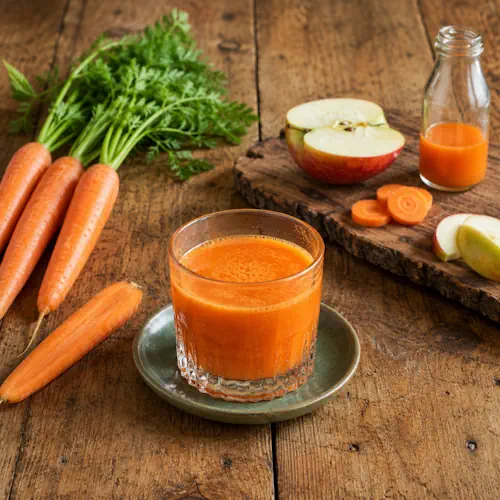
Fresh Organic Carrot Juice is a naturally sweet vegetable drink made with one simple ingredient. Fresh carrots produce a bright, refreshing juice that can be served for breakfast, brunch, or as a light daytime drink.
Rinse the organic carrots thoroughly under cold running water.
Scrub away any remaining soil.
Cut off the tops and damaged ends.
Cut the carrots into pieces that fit safely inside the juicer chute.
For Juicing
Switch on the juicer according to the manufacturer’s instructions.
Feed the carrot pieces gradually through the juicer.
Use the supplied food pusher when necessary.
Continue until all the carrots have been processed.
Stir the collected juice to combine any separated layers.
Divide the juice among four glasses.
Serve immediately.
Notes & Wine Advice
Serving Suggestions
Serve the carrot juice immediately at room temperature or over ice. It works well with breakfast, brunch, sandwiches, salads, or fresh fruit. Add a squeeze of lemon immediately before drinking when you prefer a fresher, sharper flavour.
Recipe Notes
Organic carrots should still be washed thoroughly before juicing. Peeling is unnecessary when the carrots are clean and undamaged. Fresh juice contains less fibre than whole carrots, so it should complement rather than replace intact vegetables.
Variations
Add fresh ginger, lemon, orange, cucumber, celery, turmeric, or mint. Apple creates a sweeter juice, while lemon and ginger provide a sharper flavour. Adding fruit will generally increase the natural sugar content.
Storage
Fresh carrot juice is best consumed immediately. When storage is necessary, refrigerate it in a clean airtight bottle and use it within 24 hours. Fill the bottle almost completely to reduce exposure to air and shake before serving.
Wine Advice
Wine is unnecessary with fresh carrot juice. When serving it as part of a larger brunch, a crisp Sauvignon Blanc can accompany the food served alongside the juice.
Fresh Organic Carrot Juice is a naturally sweet and colourful drink made entirely from fresh carrots. The recipe contains no added sugar, artificial flavourings, preservatives, or dairy products. Juicing the carrots creates a smooth drink that works well at breakfast, during brunch, or as a refreshing addition to a healthy lunch.
This recipe is scaled to four servings and uses four pounds of organic carrots. The precise amount of juice produced can vary because some carrots contain more moisture than others. Fresh, firm carrots generally produce the best flavour and the highest juice yield.
Choosing and Preparing the Carrots
Select firm carrots with an even orange colour. Avoid carrots that feel soft, rubbery, or excessively dry. Organic carrots are used in this recipe, but they must still be washed thoroughly under cold running water. Remove the leafy tops and trim away any damaged areas before cutting the carrots into pieces that fit safely inside the juicer chute.
Peeling is optional when the carrots have been cleaned carefully. Leaving the peel intact reduces preparation work and prevents unnecessary waste. Always follow the operating instructions supplied with your juicer, especially when using the feed tube and food pusher.
Making Smooth Carrot Juice
Feed the prepared carrots through the juicer gradually. Alternating thicker and thinner pieces can help the appliance process them efficiently. Do not force vegetables into the chute or overload the machine. If the juicer begins accumulating pulp, switch it off and clean the relevant parts before continuing.
Fresh Organic Carrot Juice may contain a small amount of natural pulp. For a lighter and smoother drink, pour it through a fine-mesh strainer before serving. Keep the pulp when possible because it can be added to vegetable soup, savoury muffins, sauces, or homemade vegetable stock.
Serving Carrot Juice
Serve the juice immediately after preparation for its freshest flavour and brightest colour. It can be enjoyed at room temperature or chilled briefly in the refrigerator. For a balanced breakfast, pair it with our Tomato Corn Frittata. It also complements a fresh Mojito Fruit Salad at brunch.
For a different vegetable combination, try our Carrot Spinach Juice. Fresh ginger, lemon juice, orange, or turmeric can also be added to carrot juice, although these ingredients will change its flavour and nutritional values.
Nutrition and Dietary Information
Carrots naturally contain beta-carotene, which the body can convert into vitamin A. They also supply natural carbohydrates and sugars. Juicing removes much of the fibre found in whole carrots, so carrot juice should complement rather than completely replace whole vegetables in a varied diet.
This pure carrot juice contains no gluten, wheat, dairy, eggs, soy, or nuts. It is therefore suitable for numerous dietary preferences, including vegan and vegetarian diets. Anyone managing blood sugar should consider the natural sugar content and select a serving size appropriate to their personal dietary guidance.
Storage and Food Safety
Fresh juice is best consumed immediately. If necessary, transfer it to a clean airtight bottle and refrigerate it promptly. Fill the container as fully as practical to reduce exposure to air and use the juice within 24 hours. Stir or shake it before serving because natural separation may occur.
Wash the juicer components immediately after use so carrot pulp does not dry onto the surfaces. Follow current FDA safe food-handling guidance when washing produce and storing freshly prepared drinks. With good carrots and careful preparation, Fresh Organic Carrot Juice provides a simple and vibrant homemade drink in only a few minutes.
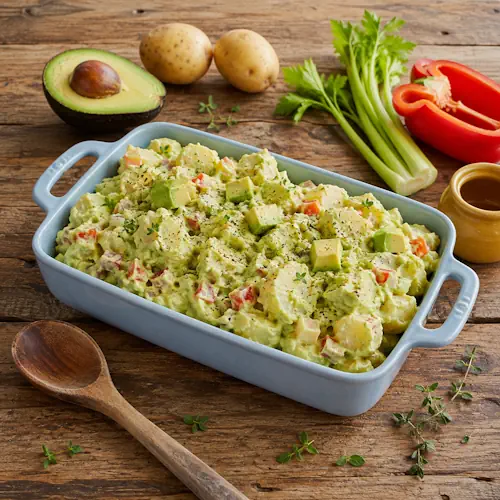
Creamy Avocado Potato Salad combines tender potatoes, crisp vegetables, and a smooth avocado-mustard dressing. This fresh vegan salad is perfect for picnics, barbecues, lunches, and summer gatherings.
Place the chopped potatoes in a large pot and cover them with water.
Bring the water to a boil and cook the potatoes for 10 to 15 minutes until fork-tender.
Drain the potatoes thoroughly and allow them to cool to room temperature.
Transfer the cooled potatoes to a large mixing bowl.
Add the celery, red bell pepper, and red onion.
Gently mix the vegetables and set the bowl aside.
Prepare the Avocado Dressing
Place the mashed avocado in a small mixing bowl.
Add the apple cider vinegar, Bragg Liquid Aminos, Italian seasoning, Dijon mustard, kosher salt, and black pepper.
Whisk until the dressing is smooth and evenly combined.
Combine and Chill
Pour the avocado dressing over the potato mixture.
Gently toss until the potatoes and vegetables are evenly coated.
Taste and adjust the seasoning when necessary.
Cover the mixing bowl and refrigerate the salad for at least 1 hour.
Serve the Creamy Avocado Potato Salad chilled.
Notes & Wine Advice
Serving Suggestions
Serve this potato salad chilled alongside grilled vegetables, veggie burgers, roasted chicken, or fresh bread. It is especially suitable for picnics, barbecues, packed lunches, and summer buffets.
Recipe Notes
Cook the potatoes only until fork-tender so they retain their shape when mixed with the dressing. Allow them to cool completely before adding the avocado. Bragg Liquid Aminos provides salt and savoury flavour, so taste the salad before adding additional salt.
Variations
Add chopped fresh parsley, dill, chives, cucumber, sweetcorn, or pickles. For additional protein, fold in drained chickpeas or white beans. A little fresh lemon or lime juice can be added to brighten the dressing and help slow the browning of the avocado.
Storage
Store the salad in a covered container in the refrigerator and consume it within two days. The avocado dressing may darken gradually, although this does not immediately indicate spoilage. Do not leave the salad at room temperature for longer than two hours.
Wine Advice
A crisp Pinot Grigio complements the fresh vegetables and creamy avocado without overpowering them. Sauvignon Blanc is another suitable choice because its bright acidity balances the richness of the dressing.
Creamy Avocado Potato Salad combines tender potatoes and crisp vegetables with a smooth dressing made from ripe avocado, mustard, apple cider vinegar, and savoury liquid aminos. Unlike traditional potato salads, this version contains no mayonnaise, eggs, or dairy. It is a colourful side dish for picnics, barbecues, lunches, and summer gatherings.
The avocado creates a naturally creamy consistency, while apple cider vinegar adds enough acidity to keep the salad fresh and balanced. Celery, red bell pepper, and red onion provide colour, crunch, and a pleasant contrast to the soft potatoes. Italian seasoning adds a convenient mixture of aromatic herbs without requiring several separate seasonings.
Choosing the Best Potatoes
Waxy potatoes are the best choice for avocado potato salad because they retain their shape after cooking. Baby potatoes, red potatoes, or Yukon Gold potatoes are all suitable. Floury potatoes can also be used, but they must be handled carefully because they break apart more easily.
Cut the potatoes into evenly sized pieces so they cook at the same rate. Begin checking them after approximately 10 minutes. They should be easily pierced with a fork but remain firm enough to withstand mixing. Drain them thoroughly and allow them to cool before adding the avocado dressing.
Making the Avocado Dressing
Use a ripe avocado that yields slightly when pressed. An underripe avocado will not mash smoothly, while an overripe one may have dark spots or an unpleasant flavour. Mash it thoroughly before whisking in the mustard, vinegar, seasonings, and liquid aminos.
Bragg Liquid Aminos supplies saltiness and a savoury depth similar to soy sauce. It contains soy, so it is unsuitable for anyone with a soy allergy. The dressing should taste slightly stronger on its own because the potatoes will absorb and soften its flavours.
Serving Ideas
Serve this salad alongside grilled vegetables, veggie burgers, roasted chicken, fish, or barbecue dishes. It also works as part of a picnic buffet with our Tomato Avocado Cucumber Chickpea Salad. For a more substantial summer meal, combine it with Smoky BBQ Chicken Pizza.
The salad can also be served in lettuce cups or spooned onto a bed of leafy greens. Fresh parsley, dill, chives, or coriander make attractive garnishes. Chickpeas or white beans can be added when a more filling plant-based dish is wanted.
Variations and Adjustments
Add lemon or lime juice for extra freshness and to help slow the natural browning of the avocado. Chopped pickles or capers supply a sharper flavour, while cucumber and sweetcorn provide additional texture. Smoked paprika or cayenne pepper can be added for warmth.
If you prefer a milder onion flavour, rinse the chopped red onion briefly under cold water and drain it well. Dijon mustard gives the dressing a smooth, tangy finish, but whole-grain mustard can be used for more texture. For another potato-based side dish, try our Rosemary White-Wine Roasted Potatoes.
Storage and Food Safety
Avocado gradually darkens after exposure to air. This is a natural oxidation process and does not immediately mean the salad has spoiled. Press reusable food wrap directly against the surface or store the salad in a tightly sealed container to slow discolouration.
Refrigerate leftovers promptly and consume them within two days. Do not freeze the salad because the potatoes and fresh vegetables may develop a watery texture after thawing. Follow current FDA safe food-handling guidance when cooling, storing, and serving prepared salads.
With its creamy dressing, colourful vegetables, and straightforward preparation, Creamy Avocado Potato Salad offers a fresh alternative to mayonnaise-based potato salad. Prepare it in advance, chill it thoroughly, and serve it whenever a lighter but satisfying side dish is needed.
Manage Consent
To provide the best experiences, we use technologies like cookies to store and/or access device information. Consenting to these technologies will allow us to process data such as browsing behavior or unique IDs on this site. Not consenting or withdrawing consent, may adversely affect certain features and functions.
Functional
Always active
The technical storage or access is strictly necessary for the legitimate purpose of enabling the use of a specific service explicitly requested by the subscriber or user, or for the sole purpose of carrying out the transmission of a communication over an electronic communications network.
Preferences
The technical storage or access is necessary for the legitimate purpose of storing preferences that are not requested by the subscriber or user.
Statistics
The technical storage or access that is used exclusively for statistical purposes.The technical storage or access that is used exclusively for anonymous statistical purposes. Without a subpoena, voluntary compliance on the part of your Internet Service Provider, or additional records from a third party, information stored or retrieved for this purpose alone cannot usually be used to identify you.
Marketing
The technical storage or access is required to create user profiles to send advertising, or to track the user on a website or across several websites for similar marketing purposes.
To provide the best experiences, we use technologies like cookies to store and/or access device information. Consenting to these technologies will allow us to process data such as browsing behavior or unique IDs on this site. Not consenting or withdrawing consent, may adversely affect certain features and functions.
Functional
Always active
The technical storage or access is strictly necessary for the legitimate purpose of enabling the use of a specific service explicitly requested by the subscriber or user, or for the sole purpose of carrying out the transmission of a communication over an electronic communications network.
Preferences
The technical storage or access is necessary for the legitimate purpose of storing preferences that are not requested by the subscriber or user.
Statistics
The technical storage or access that is used exclusively for statistical purposes.The technical storage or access that is used exclusively for anonymous statistical purposes. Without a subpoena, voluntary compliance on the part of your Internet Service Provider, or additional records from a third party, information stored or retrieved for this purpose alone cannot usually be used to identify you.
Marketing
The technical storage or access is required to create user profiles to send advertising, or to track the user on a website or across several websites for similar marketing purposes.